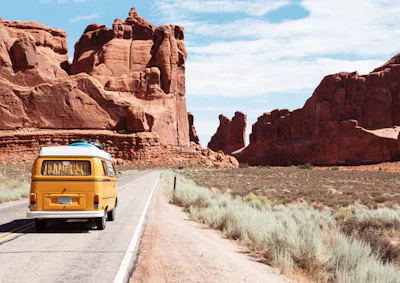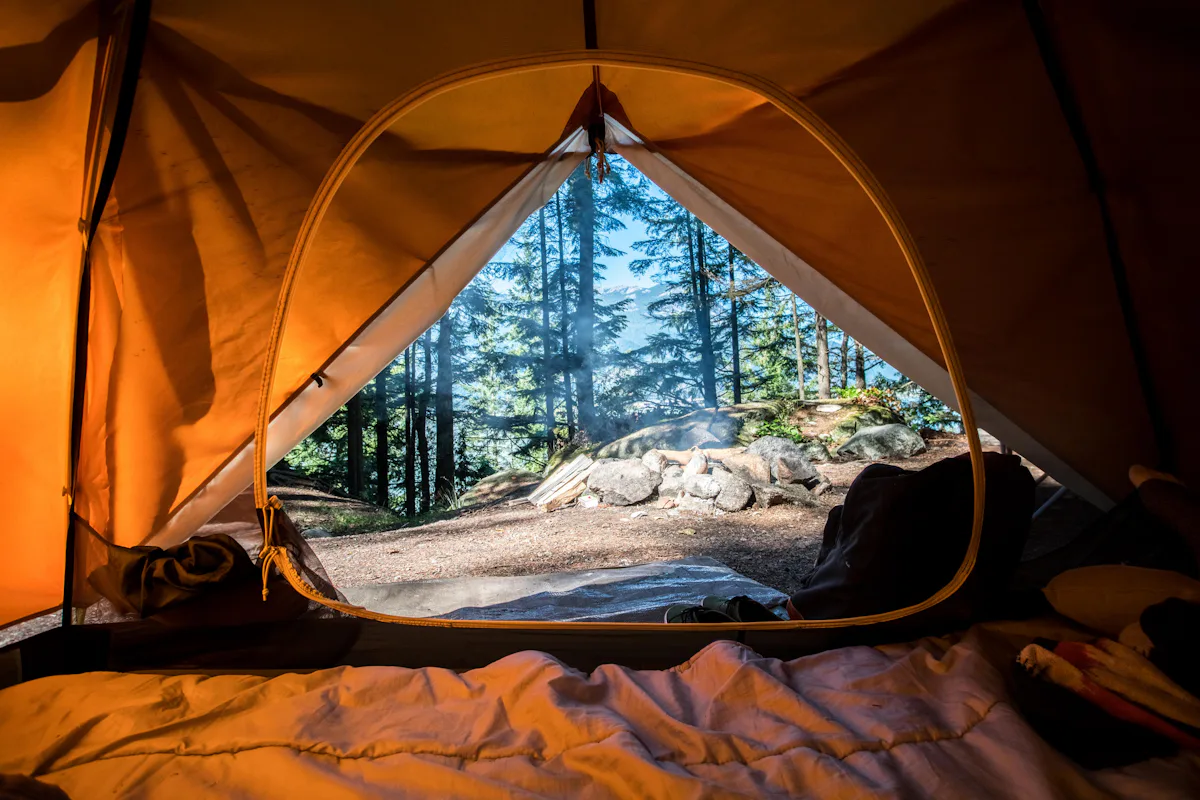
Packing for a campervan holiday requires strategic planning and thoughtful consideration. Unlike hotel stays where you have housekeeping and room service, life on the road demands self-sufficiency. A comprehensive packing list ensures you won't scramble for forgotten essentials at remote locations where shops are hours away. Whether you're planning a week-long coastal adventure or a month-long European exploration, having everything you need organized and accessible transforms your trip from stressful to seamless.
Kitchen and Cooking Essentials
Your campervan kitchen is compact but mighty. Pack one medium saucepan and one frying pan to handle most meals efficiently. Bring a small cutting board, a sharp knife, and a can opener, these three items handle ninety percent of food prep. You'll need plates, bowls, and cups for at least three days (minimizing washing-up frequency). Include utensils: two forks, two spoons, and two knives per person. A wooden spoon, spatula, and tongs cover most cooking techniques. Don't forget a tea towel, sponge, and biodegradable washing-up liquid. Store smaller items like salt, pepper, oil, and spices in compact containers. A collapsible colander saves space. Bring kitchen roll for quick cleanups, and consider a lightweight kettle for tea and coffee. These essentials let you prepare breakfast, lunch, and dinner without relying on expensive restaurant meals.
Bedding and Sleep Comfort
Quality sleep is essential when spending weeks in a campervan. Bring fitted sheets and a flat sheet for your campervan bed, measure your bunk first to ensure proper fit. Pack a duvet or sleeping bag rated for temperatures colder than you expect; cold nights can surprise you. Include two pillows with pillowcases, and add an extra pillowcase for easy washing. A mattress protector keeps your bed clean and extends mattress life. Layer warmth strategically: bring a lightweight quilt for spring, heavy blankets for autumn, and thermal layers for winter camping. Micro-fleece blankets weigh almost nothing but provide surprising warmth. Don't underestimate comfort items like a small cushion for reading. If you're camping in varying climates, pack both a thin summer sheet and a thick winter blanket. Good sleep transforms your entire holiday mood and energy levels.
Clothing for Every Weather
Layering is your packing philosophy for campervan adventures. Pack three pairs of hiking trousers and two pairs of shorts, quality over quantity. Include three long-sleeve base layers in merino wool or synthetic materials that dry quickly. Bring five everyday t-shirts in neutral colors that mix and match. A waterproof jacket rated for heavy rain is non-negotiable in Britain and northern Europe. Pack a fleece jumper for warmth without bulk, and a warm hat for chilly evenings. Bring walking boots, broken in before departure, and sandals or trainers for camp relaxation. Include swimwear for lakes, rivers, and occasional wild swimming spots. Socks matter: bring four pairs of hiking socks and four pairs of everyday socks. Pack underwear for five days. Bring a lightweight scarf that serves multiple purposes: warmth, sun protection, and picnic blanket. A wide-brimmed sunhat protects you during long driving days. Choose colors that layer well together to maximize outfit combinations from minimal pieces.
Toiletries and Personal Care
Invest in biodegradable soap, shampoo, and conditioner to protect wild camping locations. Bring a small towel set, camping towels dry faster than regular ones. Pack toothbrush, toothpaste, deodorant, and any prescription medications in original containers. High SPF sunscreen is essential even on cloudy British days; UV protection matters constantly. Insect repellent keeps midges and mosquitoes at bay, especially near water. Include toilet paper, a small first aid kit with plasters, paracetamol, ibuprofen, and antihistamine cream. Bring lip balm with SPF, a nail file, and small scissors. Pack razors or shaving supplies. Include feminine hygiene products if needed. Small hand sanitizer bottles attach to backpacks. Pack extra deodorant in case you run low. A microfiber travel towel occupies minimal space but dries in hours. Consider a headlamp with spare batteries for nighttime bathroom visits. These items keep you fresh, healthy, and confident throughout your journey, regardless of campsite facilities.
Tools and Vehicle Safety
Vehicle breakdown on a remote road requires proper tools and knowledge. Pack jump leads for battery emergencies, they've rescued countless campervanners. Bring a tire gauge and check pressures weekly; underinflated tires reduce fuel efficiency and handling. Include spare fuses matching your campervan's electrics; a blown fuse leaves you without lights or cooker. Duct tape and cable ties handle unexpected repairs and securing loose items. A torch with extra batteries illuminates late-night repairs and camp pathways. A reflective triangle and high-visibility vest meet legal requirements during breakdowns. Pack a small jack appropriate to your vehicle weight. Bring an adjustable spanner and screwdriver set. Include WD-40 for seized bolts, and a puncture repair kit as backup. Spare coolant, oil, and windscreen washer fluid prevent common roadside issues. A first aid kit for the vehicle itself (plasters, antiseptic wipes) treats minor injuries from roadside repairs. These safety essentials provide confidence that you can handle mechanical challenges far from garages.
Electronics and Entertainment
Modern travel requires charging solutions and backup power. Bring phone chargers and USB adaptors compatible with European outlets, invest in quality adapters to avoid fire risks. Pack a portable power bank with 20,000mAh capacity for charging phones and small devices. Include a headlamp with red light mode for nighttime navigation without disrupting sleep. A camera captures memories without relying on smartphone battery drain. Bring earbuds or headphones for evening entertainment and music during cooking. Download offline maps, audiobooks, and podcasts before departure to minimize internet reliance. Pack physical books, playing cards, and travel games for companionship and quiet evenings. Bluetooth speakers enable campfire music sessions. Include a small notebook and pen for journaling adventures and recording campsite recommendations. Bring a portable hard drive as backup for camera photos. A car phone holder provides safe navigation during drives. These items bridge technology and entertainment, balancing connection with digital detox.
Documents and Admin
Travel documentation prevents stressful border crossings and legal complications. Pack your passport, driving licence, and photocopy of both (store copies separately). Bring your campervan rental agreement and insurance documents clearly organized. If you are travelling in Europe, an EHIC or GHIC card provides emergency healthcare access, though travel insurance remains essential everywhere. Breakdown cover documentation with emergency phone numbers travels in your glove box. Store booking confirmations for campsites, ferries, and attractions in a waterproof folder. Include emergency contact numbers for family and your insurance company. Travel insurance policy details must be easily accessible. Check whether your destination requires a country identifier sticker or plate on the vehicle. Keep receipts for expenses in a dedicated envelope for tax or reimbursement purposes. Consider travel copies of important documents scanned to your phone. A small address book provides backup contact information if your phone dies. A simple travel journal records dates, locations, and memorable moments. Organize all documents before departure to handle unexpected questions confidently.
Outdoor and Adventure Gear
Campervan life extends beyond the vehicle into natural surroundings. Pack folding camping chairs for comfortable campfire evenings, lightweight models collapse into compact bundles. Bring a lightweight camping table for meals and games outside the van. A windbreak screen protects your outdoor space from coastal breezes. An awning or pop-up shelter provides shade during summer days and rain protection for outdoor cooking. Bring hiking poles for trail stability and reduced knee strain on descents. A compact day pack carries essentials during walking adventures without carrying your main luggage. Wide-mouth water bottles keep you hydrated; bring two per person with a collapsible backup. Binoculars unlock birdwatching and wildlife observation opportunities. A picnic blanket becomes your outdoor living room during lakeside breaks. Include a rope for securing gear and hanging washing. A camping gas stove and fuel cartridges provide backup cooking if your van kitchen fails. Bring carabiners and clips for organizing gear and securing items in wind. These adventure essentials transform campsites from sleeping locations into complete outdoor experiences.
Our Top Packing Tips
Successful campervan packing combines smart strategy with practical experience. Choose soft bags and rucksacks over rigid suitcases, they compress into tight van spaces and adapt to irregular storage areas. Distribute weight evenly throughout your packing; heavy items low and centered prevent handling difficulties. Keep daily-use items accessible at the van entrance rather than buried at the back. Make a detailed checklist and mark items off as you pack; this prevents last-minute panic and forgotten essentials. Pack similar items together in clear containers so you locate things quickly without searching through everything. Leave room for souvenirs and purchases discovered during your travels, rigid overpacking prevents spontaneous shopping. Wear your bulkiest items during travel days to conserve packing space. Use vacuum bags for seasonal clothing to maximize cupboard efficiency. Label containers clearly with waterproof tape. Review your packing after day one and leave unnecessary items at home during trip extensions. Remember that campsites and small shops stock forgotten basics; you won't catastrophically suffer from minor omissions. Prioritize comfort items that boost your daily mood over things you rarely use.
Ready to Hit the Road?
With your checklist sorted, find the perfect campervan for your next adventure.
Find Your Campervan