Your first campervan road trip is an exciting adventure that promises freedom, exploration, and unforgettable memories. Whether you're planning a weekend getaway or a month-long journey across continents, careful preparation makes the difference between a dream vacation and a stressful experience. These ten essential tips will help first-time campervan travelers navigate common challenges and maximize enjoyment on the open road.
1. Start with a Short Trip
Before committing to a two-week campervan adventure, test the waters with a three or four-day weekend trip. This short journey allows you to familiarize yourself with the vehicle's quirks, understand your own preferences, and discover what you actually need versus what you think you'll need. A nearby destination reduces stress and gives you confidence to handle unexpected situations without being too far from home. You'll quickly learn how to manage water systems, heating, cooking, and sleeping arrangements in a compact space. Many experienced travelers recommend this shakedown cruise as invaluable for building both practical skills and emotional readiness for longer journeys ahead.
2. Do a Full Vehicle Walk-Around
Never skip the pre-departure inspection, regardless of how reliable the campervan appears or how trustworthy the rental company seems. Photograph or video record every existing dent, scratch, and interior detail before you leave the lot. Test all lights, headlights, taillights, brake lights, and interior lights, to ensure they function properly. Check the brakes by taking a short test drive and confirming responsive stopping power. Fill the water tank and let it run to verify the pump works and there are no leaks. Test the gas cooker, heating system, and refrigerator before you're miles away from assistance. This thorough documentation protects you from being charged for pre-existing damage and gives you peace of mind about your vehicle's safety and functionality.
3. Plan Your Route, but Stay Flexible
Research your intended route and identify major stops, scenic viewpoints, and potential campsites before departure. However, embrace the flexibility that makes campervan travel special. Weather changes, unexpected attractions, or chance encounters with other travelers may inspire detours that become the trip's highlights. Booking every single night in advance removes this spontaneity and creates unnecessary pressure. Instead, plan your general direction, research two or three optional stops for each day, and decide based on mood and conditions. This balance between preparation and flexibility reduces decision fatigue while preserving the adventurous spirit that draws people to campervan travel in the first place.
4. Book Campsites in Advance for Peak Season
During high season, typically late spring through early autumn, popular campsites fill quickly, often weeks ahead of time. If your travel dates fall during this period, book at least a few nights in advance to guarantee spots at renowned locations. However, maintain some unbooked flexibility by alternating between reserved nights and open exploration days. Off-season travel offers significantly more spontaneity, as most campsites have abundant availability. Research the climate and what activities matter most to you before choosing your season. Peak season offers better weather and more amenities but brings crowds and higher prices. Shoulder seasons often provide the sweet spot of pleasant conditions with fewer tourists and easier campsite access.
5. Master the Basics Before You Leave
Spend time learning the essential systems before your trip begins. Understand how to properly connect to gas hookups, some campgrounds use different coupling types, and improper connections create safety hazards. Practice leveling your campervan using the built-in leveling system and chocks, as this affects water drainage and comfort. Learn to extend and retract your awning smoothly and safely. Understand the difference between your grey water tank (used water from sinks and showers) and black water tank (sewage), and know the proper emptying procedures at disposal stations. Ask the rental company or previous owner to demonstrate these systems thoroughly. Watching YouTube tutorials before pickup isn't sufficient, hands-on practice with someone experienced is invaluable for confidence and safety.
6. Pack Smart, Not Heavy
Campervans have strict weight limits, and exceeding them affects fuel efficiency, handling, and braking distance. Before packing, check your vehicle's maximum cargo weight in the manual. Pack only essentials and items you'll actually use multiple times during your trip. Choose soft, compressible bags over hard suitcases to maximize interior space. Resist the temptation to bring "just in case" clothing and kitchen gadgets. Most campsites have laundry facilities, allowing you to travel with fewer clothes than you'd expect. Keep your wardrobe to one or two weeks' worth maximum. Prioritize versatile items that layer and work in various weather conditions. Strategic packing creates more living space, improves fuel economy, and ironically makes your adventure easier and more enjoyable.
7. Drive Slower Than Usual
Campervans don't handle like regular vehicles. Their higher center of gravity makes them more susceptible to wind and tipping on sharp corners. Their longer stopping distance requires gentler braking and earlier downshifting. Their height creates clearance concerns on roads with low bridges, overhanging branches, or tight parking structures. Drive slower than usual to give yourself time to react to hazards and adjust to the vehicle's unique handling characteristics. Plan extra time for your journey, arriving an hour late is far preferable to rushing and risking your safety. Take breaks every two hours to stretch and refresh your alertness. Many experienced campervan travelers treat their rig as a destination itself, approaching the drive as part of the experience rather than an obstacle to overcome before the "real" vacation begins.
8. Keep Your Campervan Clean
Living in a small space amplifies the impact of clutter and dirt. Establish a daily cleaning routine, fifteen minutes each morning maintaining order prevents chaos from accumulating. Shake out rugs and cushions regularly to prevent sand and soil from grinding into fabrics. Track mud less by removing shoes at the door and keeping a damp cloth handy for quick foot cleaning. Empty trash daily rather than letting it accumulate. Manage waste properly at designated disposal stations to avoid environmental damage and fines. A clean campervan feels larger and more comfortable, improving both functionality and mental well-being during extended trips. This simple discipline takes minimal effort but significantly enhances your daily living experience on the road.
9. Budget for the Unexpected
No matter how thoroughly you plan, road trips always present surprises. Fuel costs may exceed expectations if your route includes mountains or headwinds. A seemingly minor mechanical issue, a water pump malfunction, electrical problem, or tire repair, can cost hundreds of dollars in remote areas. You might discover an incredible attraction and decide to stay an extra night. Vehicle damage from unforeseen circumstances can strain your budget significantly. Set aside an emergency fund of at least ten to fifteen percent above your estimated trip costs. This buffer eliminates financial stress when opportunities arise or issues emerge. Many travelers find that having this safety net actually prevents overspending by removing the temptation to charge expenses when you feel pinched financially.
10. Enjoy the Journey, Not Just the Destinations
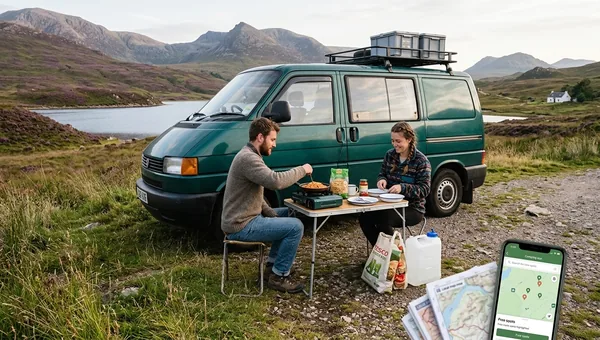
Campervan travel invites a slower pace of exploration impossible with traditional tourism. Rather than rushing through ten countries in three weeks, stay longer in fewer places. Cook meals from local markets instead of eating every meal out. Chat with other travelers in campsites and learn their recommendations and stories. Watch sunrises from scenic viewpoints. Take unplanned detours for unexpected discoveries. Take photos when something catches your eye, not just at famous landmarks. Sleep under stars when possible. Notice small moments, a favorite local bread, a helpful stranger's directions, an unexpected wildlife encounter. The memories that linger longest typically involve quiet moments and meaningful connections, not crowded tourist attractions. Embrace the flexibility and slowness that define campervan travel as a philosophy, not just a logistical arrangement.
Ready for Your First Campervan Adventure?
Compare rental options and start planning your unforgettable first road trip.
Find Your First Campervan