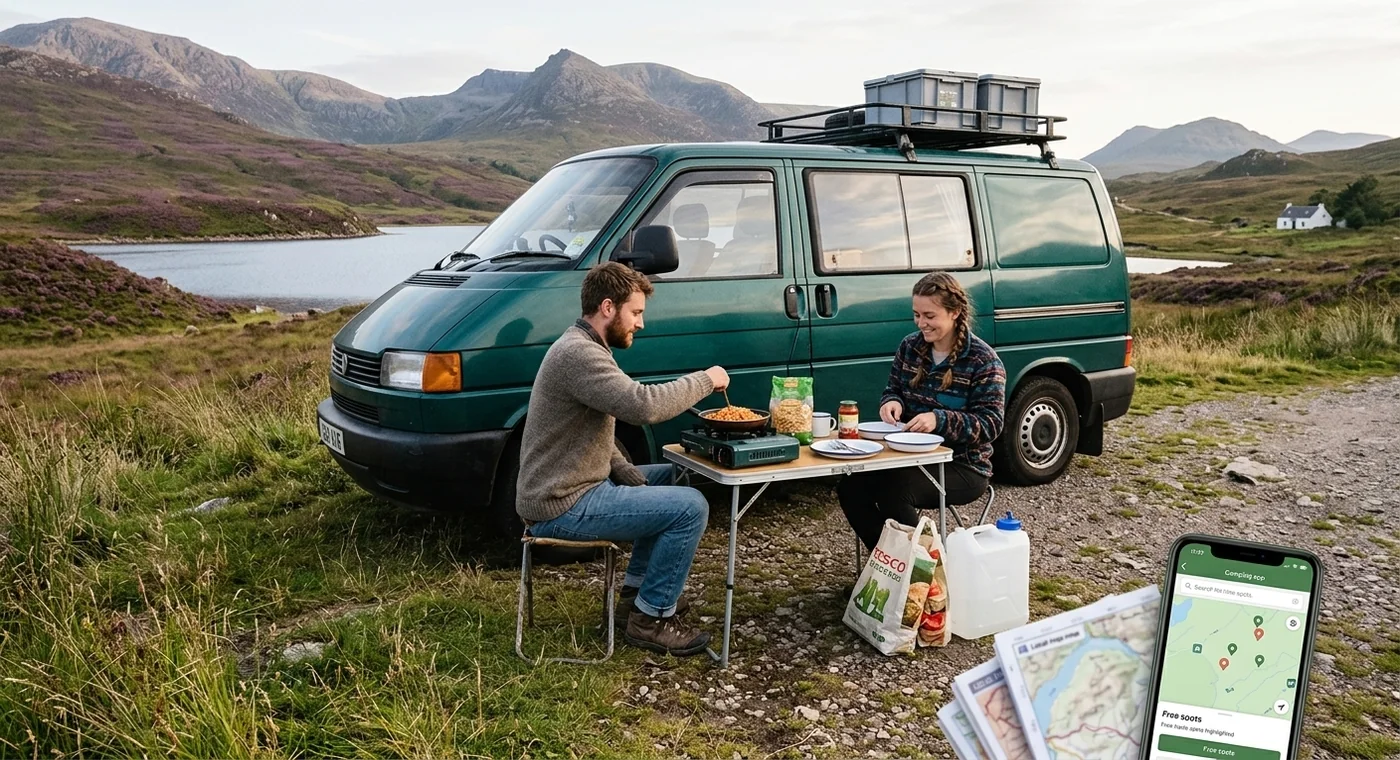
Campervan travel doesn't have to drain your bank account. With smart planning and insider knowledge, you can dramatically reduce your expenses while still enjoying an unforgettable adventure. This guide reveals the most effective strategies for saving money on your campervan holiday.
Book During Shoulder Season for Better Rates
Travel timing is crucial for budget optimization. Shoulder seasons (spring and autumn) offer the best value, with 30-50% lower rental rates compared to peak summer months. During these periods, you'll also encounter smaller crowds at popular destinations and find availability at premium campsites that fill quickly in summer. The weather is typically pleasant, making it ideal for outdoor activities. Plan your trip for April-May or September-October to maximize savings without sacrificing experience quality. Avoid school holidays and major festivals when prices spike significantly.
Compare Multiple Rental Companies
Don't settle for the first rental company you find. Use comparison platforms and local rental aggregators to evaluate prices from 20+ suppliers simultaneously. Request price quotes directly from independent operators, as they often undercut major chains. Check for hidden fees including insurance, fuel charges, and cleaning costs before committing. Read reviews on TrustPilot and Google to ensure you're selecting reliable operators. Some companies offer early booking discounts (10-20% off) or last-minute deals for cancellations. Negotiate directly with smaller operators for bulk discounts on longer rentals.
Master the Art of Budget Meal Planning
Food is one of the largest variable expenses, but cooking in your campervan reduces costs dramatically. Plan menus around inexpensive staples like pasta, rice, beans, and seasonal vegetables. Shop at local markets and budget supermarkets rather than tourist-focused stores. Buy in bulk at warehouse clubs like Costco or Carrefour. Prepare simple, one-pot meals that minimize cooking time and fuel consumption. Batch cook on Sundays for the week ahead. Take advantage of campground BBQ facilities. Carry a cooler with ice for perishable items. Avoid eating out except for special occasions. Budget-conscious travelers spend €30-50 weekly on groceries while enjoying nutritious, varied meals.
Discover Free and Low-Cost Camping Spots
Premium campsites charge €30-60 per night, while free or budget alternatives cost nothing. Apps like iOverlander, FreeStay, and Park4night reveal thousands of free wild camping locations, farm stays, and budget campgrounds across Europe. Many regions allow free overnight parking in designated rest areas. Research local regulations before wild camping. Stay at quiet family-run sites rather than resort-style parks. Book multi-night packages for substantial discounts. Join camping clubs offering member discounts. Some destinations provide free camping for volunteers working 4-6 hours daily at hostels, farms, or eco-tourism sites. This lifestyle actually enhances experiences by placing you in unique local communities.
Optimize Fuel Efficiency and Costs
Fuel typically accounts for 20-30% of travel expenses. Maximize efficiency by maintaining steady speeds (55-65 mph (89–105 km/h)), avoiding rapid acceleration, removing roof racks when unnecessary, and keeping tire pressure optimal. Plan routes that minimize backtracking and unnecessary mileage. Fill tanks in countries with lower fuel prices (Spain, France) rather than premium-priced nations. Use GasBuddy or Essence&CO to locate cheapest stations. Drive at night when traffic is minimal and fuel consumption decreases. Avoid mountainous routes when possible. Some travelers save 15-20% through efficiency optimization alone. Consider slower travel through regions with lower fuel costs.
Leverage Loyalty Programs and Travel Insurance
Many rental companies offer loyalty programs with discounts on repeated bookings. Campsite chains like Camping Car Parks provide annual passes offering 10-20% discounts across their network. Museum passes and attraction packages provide entry bundles at 30-40% below individual prices. Research travel insurance thoroughly, as quality policies cost €50-100 monthly but protect against costly cancellations and emergencies. Some insurers offer discounts for travelers aged 65+. Bundle insurance with other policies for better rates. Check if your existing home or travel insurance covers campervan content. Roadside assistance memberships (AA, RAC) cost €80-120 annually but save enormously when breakdowns occur.
Strategic Cost Management for Activities
Activities and attractions represent discretionary spending, but smart choices maximize value. Many national parks offer free admission, while popular attractions provide discount cards valid for multiple sites. Plan activities around free festivals and events common in most towns. Hiking, beach visits, and scenic drives cost nothing. Visit museums during free-admission hours (often evenings or specific weekdays). Purchase combination tickets that bundle multiple attractions. Many European cities offer city cards providing transport and museum access at discounted rates. Prioritize memorable experiences over expensive tourist traps. Some of the most rewarding campervan experiences cost nothing beyond fuel and parking.
Minimize Insurance Costs Strategically
Insurance varies dramatically by provider and coverage level. Excess/deductible choices significantly impact premiums. Choosing higher excess (€1,000-2,000) reduces premiums by 20-40%, but only if you're confident in your driving skills. Decline unnecessary add-ons like breakdown cover if you already have roadside assistance. Check if your credit card provides rental car protection. Purchase insurance from specialists rather than rental companies, who markup significantly. Insure for your actual vehicle value rather than replacement cost. Safe driving records attract discounts. Consider limited mileage policies if not planning extensive travel. Thoroughly understand coverage exclusions before purchasing.
Extend Your Trip Duration
Daily costs decrease significantly with longer trips. A 2-week campervan rental usually costs more per day than a 4-week rental, and monthly passes often include additional discounts. Longer stays at individual locations reduce repositioning costs and allow deeper destination exploration. Many campgrounds offer weekly and monthly discounts (5-25% reduction). Extended trips allow slow travel, reducing fuel consumption and daily mileage costs. You'll discover hidden local restaurants and markets, avoiding tourist-inflated pricing. Weekly or monthly stays also provide opportunities for temporary work or volunteer positions covering campsite costs entirely.
Smart Splitting of Shared Costs
Traveling with others significantly reduces per-person expenses. Divide rental costs, fuel, and campsite fees among travelers. Two people pay roughly 50% each of single-person costs. Shared cooking reduces per-person meal expenses through bulk purchasing and efficient meal planning. Shared accommodation and utilities costs decrease proportionally. Some accommodations offer group rates for 3+ travelers. Coordinate travels with friends or join organized group campervan tours. Many travelers find group dynamics enhance experiences while dramatically reducing individual costs.
Ready to Plan Your Budget-Friendly Campervan Adventure?
Start comparing affordable rental options today and discover the perfect vehicle for your budget-conscious journey.
Find Budget Campervan Rentals

 Iceland
 Australia
 New Zealand
 USA
USA Canada
 English