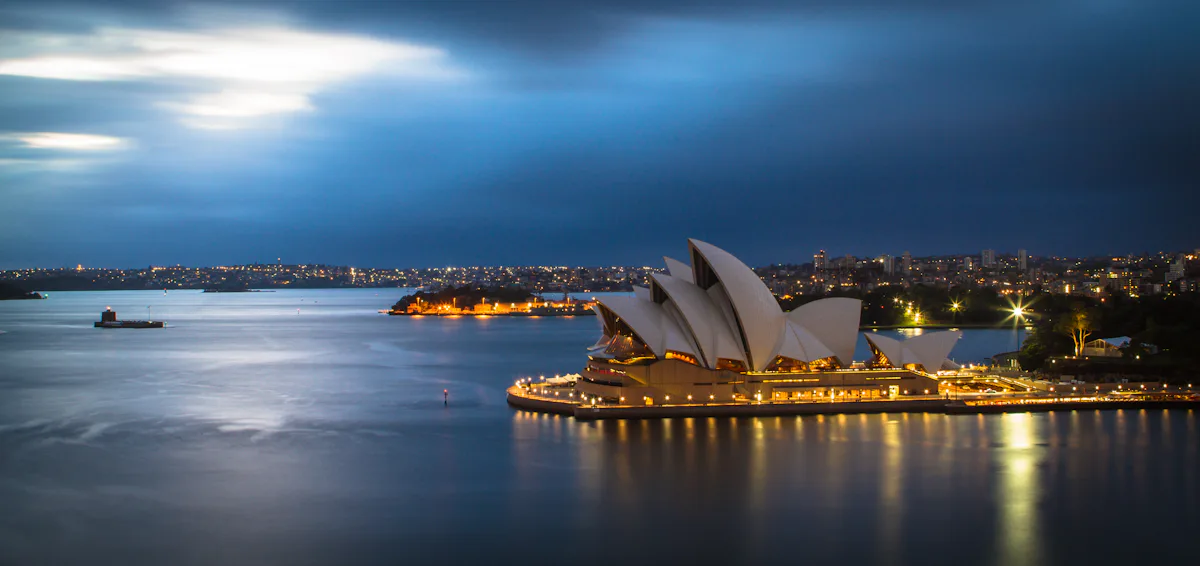
Australia's east coast represents one of the world's most diverse and rewarding campervan routes. Stretching over 2,000 kilometers from Sydney to Cairns, this legendary journey takes you from cosmopolitan harbor cities through mountain ranges, past dramatic coastal scenery, and finally to tropical rainforests and the Great Barrier Reef. This ten-day itinerary balances driving with exploration, ensuring you experience the route's incredible diversity while maintaining a sustainable pace.
East Coast Overview
The Sydney-to-Cairns route encompasses Australia's most visited and developed coastline. The Pacific Motorway (M1 Highway) provides a direct route, but the real magic lies on smaller coastal roads revealing hidden beaches, charming towns, and natural wonders. This ten-day journey covers approximately 2,100 kilometers, with ample time for exploration at key stops while maintaining reasonable daily driving distances.
The route transitions through distinct regions: New South Wales coastal beauty, Queensland's Gold Coast tourism, the Sunshine Coast's beach culture, and finally tropical North Queensland leading to Cairns. Each region offers unique experiences, natural attractions, and town character.
Day-by-Day Itinerary
Sydney to Port Stephens (240 km, 3 hours driving)
Focus: Departure from Australia's largest city, introduction to coastal beauty
Depart Sydney, Australia's iconic harbour city, heading north along the Pacific Motorway (M1). Your first stop is the Central Coast, providing introduction to Australia's famous beaches before reaching Port Stephens, a stunning natural harbor.
Key Stops:
- Gosford/Central Coast (90 km from Sydney): A relaxed alternative to Sydney with excellent beaches. Consider a quick coffee break and coastal walk.
- Bouddi National Park (100 km): Accessible scenic coastal walks with dramatic headlands and secluded beaches. Budget 1-2 hours if stopping.
- Port Stephens: A stunning harbor surrounded by national park. Known for dolphin sightings, golden sand, and water sports. The town offers excellent dining, shopping, and beach access.
Camping: Port Stephens has numerous campsites and caravan parks (A$30-50/night). Many include amenities like pools, playgrounds, and water access. Book accommodation before arrival as Port Stephens is popular year-round.
Port Stephens to Coffs Harbour (350 km, 4.5 hours driving)
Focus: Mid-north coast beaches, coastal towns, and natural attractions
Day two follows the scenic Pacific Motorway northward, passing through charming coastal towns and entering tropical regions. The driving is straightforward on well-maintained highways, allowing focus on scenery and stops.
Key Stops:
- Forster/Tuncurry (130 km): Twin beach towns with pristine sandy beaches and a relaxed vacation atmosphere. Budget 1-2 hours for a beach break.
- Taree (170 km): A working town offering authentic regional Australian character, supermarket facilities, and fuel stops.
- Nambucca Heads (250 km): Charming riverside town with excellent fishing, boat tours available, and a peaceful atmosphere. Budget 1-2 hours if interested in exploring.
- Coffs Harbour: A major beach resort town featuring pristine beaches, water sports, and the iconic "Big Banana" (a quirky roadside attraction). The town has excellent restaurants, shopping, and entertainment.
Camping: Coffs Harbour offers numerous camping options (A$30-50/night). Beachfront sites provide direct beach access. The town's popularity means booking in advance during holidays is advisable.
Coffs Harbour to Byron Bay (270 km, 3.5 hours driving)
Focus: Transition to northern New South Wales, bohemian culture, and coastal beauty
Day three continues northward through increasingly tropical regions. You'll pass multiple charming towns and transition into the more alternative culture of Byron Bay and surrounding areas. This is where Australia's east coast becomes notably more relaxed.
Key Stops:
- Bellingen (80 km): A charming inland town famous for art, crafts, and community spirit. Known for Saturday markets and excellent local dining. Budget 2-3 hours if exploring.
- Dorrigo National Park (100 km): Tropical rainforest with walking trails offering waterfalls and wildlife viewing. Budget 1-2 hours for short walk.
- Grafton (150 km): Historic river town with colonial architecture, art galleries, and riverside parks. Budget 1-2 hours if interested.
- Byron Bay: Australia's easternmost point, a famous beach town with bohemian character, yoga culture, excellent restaurants, shops, and festivals. The town has a distinctive alternative atmosphere with relaxed beaches and vibrant nightlife.
Camping: Byron Bay has multiple campsites ranging from basic (A$30/night) to fully equipped parks (A$50-80/night). Book in advance, especially for weekends and holidays. The town fills with backpackers and holiday travelers.
Byron Bay to Gold Coast (85 km, 1.5 hours driving)
Focus: Crossing into Queensland, transition from culture to tourism and beaches
Day four is remarkably short on driving, providing ample time for Byron Bay exploration before moving to Queensland's famous Gold Coast. This short drive crosses from New South Wales into Queensland, entering Australia's most developed beach resort region.
Key Stops:
- Byron Bay Lighthouse Walk: A scenic walk to Australia's easternmost point with panoramic ocean views. Budget 1-2 hours.
- Minyon Falls (Detour inland, add 2 hours): A spectacular rainforest waterfall accessible via scenic mountain drive. Worth the detour if you have time and interest in waterfall exploration.
- Gold Coast Towns: Transition through Coolangatta, Surfers Paradise, and various beach communities. The Gold Coast is Australia's premiere beach destination with endless shops, restaurants, and entertainment.
Camping: Gold Coast has abundant accommodations ranging from basic to luxury. Campsites average A$35-60/night. Surfers Paradise and Broadbeach areas are most touristy; quieter options exist slightly inland or toward Coolangatta. Booking is essential during school holidays and weekends.
Gold Coast to Sunshine Coast (180 km, 2.5 hours driving)
Focus: Transition to Sunshine Coast region, relaxation, and coastal exploration
Day five is another short driving day, allowing exploration of the Gold Coast before moving to the quieter, more relaxed Sunshine Coast. Despite the short distance, both regions warrant full-day exploration given their attractions.
Key Stops:
- Gold Coast Hinterland (Option): Scenic rainforest mountains with viewpoints, walks, and waterfalls. Requires 2-3 hour detour but offers contrast to coastal beaches. Features like Mount Tamborine, Austinvilla Estate Vineyard, and rainforest walks.
- Tallebudgera Valley (30 km): A scenic valley with markets, farms, and quiet village character, a peaceful contrast to Gold Coast tourism.
- Sunshine Coast Towns: Transition through Caloundra, Mooloolaba, Maroochydore. The Sunshine Coast is less touristy than Gold Coast but still well-developed, with excellent beaches, dining, and shopping.
- Noosa: A sophisticated beach town with upscale dining, shops, and galleries. Noosa Heads provides stunning headland views and beach culture.
Camping: Sunshine Coast campsites average A$30-50/night. Noosa offers premium options (A$50-70/night) but also budget camping. The area is quieter than Gold Coast but still well-developed with full amenities.
Sunshine Coast to Gympie (120 km, 1.5 hours driving)
Focus: Inland transition, rainforest introduction, historic towns
Day six transitions inland from the coast toward Fraser Island. The drive is short, allowing time for Sunshine Coast exploration before heading toward Queensland's interior. This marks the beginning of your journey toward tropical North Queensland.
Key Stops:
- Coolum Beach (20 km): Peaceful beach alternative to Noosa with excellent coastal walks and quieter atmosphere.
- Eumundi Markets (If visiting on Wednesday or Saturday): Famous farmers and craft market in a charming mountain town. Budget 2-3 hours if market day.
- Gympie: A regional town serving as a base for Fraser Island exploration and gateway to tropical Queensland. Offers fuel, shopping, and dining facilities.
Camping: Gympie offers basic campsites (A$25-35/night). The town is quieter than coastal alternatives but provides essential services for continuing northward.
Gympie to Hervey Bay via Fraser Island Experience (150 km + ferry)
Focus: Introduction to Fraser Island, world's largest sand island, wildlife encounters
Day seven involves transitioning to Hervey Bay as a base for Fraser Island exploration. You can either take your campervan on ferries to Fraser Island (requires additional costs and bookings) or base yourself in Hervey Bay and take day tours. For campervan travelers, day tours or staying in Hervey Bay are often more practical than driving the vehicle on Fraser Island.
Key Stops:
- Hervey Bay: A major beach town serving as the gateway to Fraser Island. Offers excellent whale watching (July-November), tours, and water activities. The town has full amenities and numerous tour operators.
- Fraser Island Exploration Options:
- Day tour from Hervey Bay (A$150-250 per person) including island exploration
- Multi-day packages with accommodations (A$300-600 per person)
- Self-drive with vehicle ferry (requires advance booking, additional costs A$100-200)
- Fraser Island Highlights (if visiting): Lake Mackenzie (pristine freshwater lake), Champagne Pools (natural pools on island's eastern beach), Rainbow Valley (colorful sand cliffs), diverse wildlife including dingoes and sea turtles.
Camping: Hervey Bay offers numerous beachfront campsites (A$35-55/night). Book in advance as the town is very popular. Many campsites offer tour booking services for Fraser Island exploration.
Hervey Bay to Rockhampton (390 km, 5 hours driving)
Focus: Inland Queensland travel, transition to Central Queensland
Day eight is a longer drive northward, leaving the coast temporarily and heading inland through Central Queensland. This day takes you through quieter regional areas toward Rockhampton, a historic cowboy town.
Key Stops:
- Maryborough (30 km inland): A historic river town with colonial architecture, heritage buildings, and local character. Budget 1-2 hours if interested.
- Bundaberg (110 km): Famous for rum production, the Bundaberg Rum Distillery offers tours (A$30-45, 1 hour). Nearby are turtle encounters at Mon Repos Beach (November-February nesting season).
- Rockhampton: Central Queensland's largest town, famous for cattle ranching and rodeo culture. The town has excellent dining, shopping, and regional charm. Historic buildings and museums offer insight into outback Australian culture.
Camping: Rockhampton offers campsites (A$30-45/night) with good facilities. The town's rodeo heritage adds character. It's a working regional center rather than tourist destination, a refreshing contrast to coastal areas.
Rockhampton to Airlie Beach (480 km, 6 hours driving)
Focus: Return to coast, Great Barrier Reef gateway, tropical island access
Day nine returns you to the coast at Airlie Beach, the gateway to the Whitsunday Islands and Great Barrier Reef. The drive northward takes you deeper into tropical Queensland. Airlie Beach is Australia's premier reef destination with world-class diving and snorkeling.
Key Stops:
- Mackay (335 km): Central Queensland's major port city. Less touristy than coastal beach towns but with good services and local character. Budget 1-2 hours if exploring.
- Proserpine (455 km): Gateway town to Airlie Beach and Whitsundays. Services and fuel stop for continuing northward.
- Airlie Beach: Australia's most famous reef town with world-class water sports, diving operations, snorkeling tours, and island-hopping adventures. The beach is artificial but the town is vibrant with restaurants, shops, and water activity operators.
Camping: Airlie Beach offers numerous campsites (A$40-65/night). Beachfront options are premium. The town is very busy with backpackers and tourists, book in advance. Consider quieter nearby towns like Shute Harbour (10 km away) if preferring less crowded camping.
Great Barrier Reef Activities: Numerous day-trip operators offer reef tours (A$150-250 per person) including snorkeling, diving, and island visits. The Whitsunday Islands are accessible via tours and some have day-use facilities. Many consider reef experiences essential when visiting this region.
Airlie Beach to Cairns (620 km, 7.5 hours driving)
Focus: Final journey to Cairns, tropical landscape immersion, arrival at journey's end
Day ten takes you northward to Cairns, Australia's gateway to tropical North Queensland. The journey passes through increasingly tropical landscape with rainforest becoming visible. Cairns is your final destination and offers excellent base for exploring tropical Australia.
Key Stops:
- Bowen (120 km): Charming coastal town with excellent mangoes and local produce. Beach access and quieter atmosphere. Budget 1-2 hours if stopping.
- Townsville (270 km): Queensland's second-largest city with excellent museums, reef access, and urban amenities. The city offers reef walking tours, shopping, and dining. Budget 2-4 hours if exploring.
- Magnetic Island (Accessible via ferry from Townsville): A pristine island with beaches, hiking, and wildlife. Accessible via day tour or short ferry trip.
- Cairns: Tropical North Queensland's major city, gateway to Great Barrier Reef, Daintree Rainforest, and adventure activities. World-class diving and snorkeling base. The city has excellent restaurants, markets (Saturday morning), shopping, and cultural attractions.
Camping: Cairns offers numerous campsites (A$35-55/night). The city is very tourist-oriented with extensive amenities. Northern beaches (Palm Cove, Clifton Beach) offer quieter alternatives to Cairns central (10-15 km away).
Cairns Highlights: Great Barrier Reef day trips (A$150-250 per person), Daintree Rainforest tours, Atherton Tablelands exploration, local markets, and cultural museums. Many travelers base themselves in Cairns for 3-5 days to explore the tropical region.
Practical Planning Considerations
Timing and Pacing
This ten-day itinerary covers 2,100+ kilometers at a comfortable pace. Most driving days are 3-5 hours, allowing time for stops and exploration. The route is logical and straightforward, making navigation uncomplicated. Adjust pace based on your interests, some travelers spend multiple days in captivating towns while others keep moving.
Fuel and Provisioning
The east coast has plentiful fuel stations along the major highways. Fuel costs approximately A$1.50-1.70/liter. Stock groceries in larger towns (Sydney, Brisbane area, Cairns). Smaller regional centers have supermarkets but limited selection and higher prices. Fresh produce, local specialties, and farmers markets are worth exploring for unique food experiences.
Road Conditions and Safety
The Pacific Motorway is well-maintained and easy to navigate. Traffic can be heavy near major cities (Sydney, Brisbane). Roads are generally safe; standard Australian road rules apply. Watch for wildlife, particularly at dawn and dusk, hitting a kangaroo or koala can be dangerous and traumatic. Speed limits are strictly enforced via cameras.
Weather and Seasons
Australia's east coast is pleasant year-round, but seasons vary. Summer (December-February) is hot and humid in the north; cyclone season in Cairns region requires awareness. Autumn (March-May) and spring (September-November) offer ideal temperatures. Winter (June-August) is mild in the north, cool in the south. Plan trips according to weather preferences and school holiday crowds.
Book accommodations in advance during school holidays and weekends, especially in popular towns (Byron Bay, Gold Coast, Airlie Beach, Cairns). Carry insect repellent for tropical regions, mosquitoes can be problematic. Learn about Australian wildlife and reef safety before water activities. Purchase travel insurance covering vehicle and activities. Download offline maps though mobile coverage is excellent on the east coast.
Extending Your Journey
Many travelers extend beyond Cairns toward Cape York Peninsula or inland to explore the Atherton Tablelands and Daintree Rainforest. Others return south via inland routes or fly out from Cairns and spend additional time in specific favorite locations. The east coast's diversity means multiple visits are rarely enough to see everything.
This ten-day itinerary covers Australia's most iconic coast, showcasing beaches, reef, culture, and natural beauty. Each town and attraction could warrant longer exploration, but this pacing provides a comprehensive introduction to Australia's east coast at a sustainable pace. Modify based on your interests, time, and energy levels. The east coast's well-developed infrastructure and excellent campervan facilities make this journey accessible and rewarding for travelers of all experience levels.