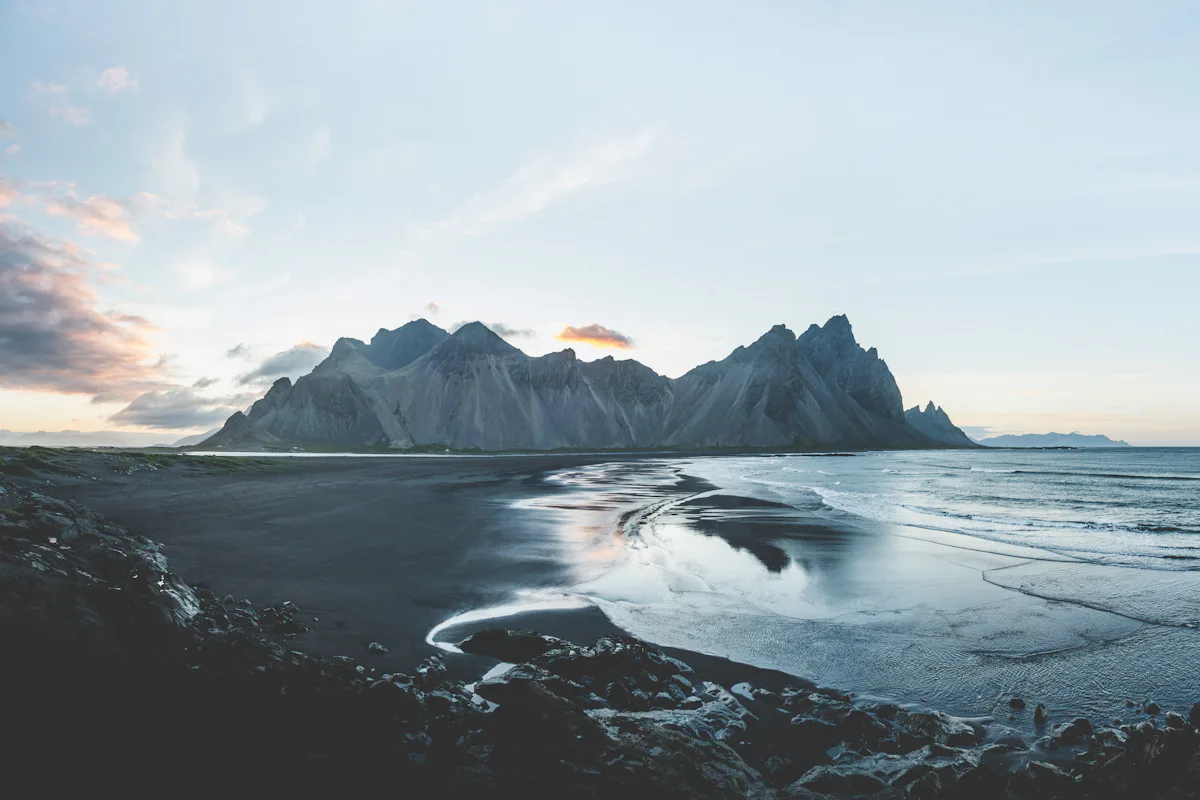
Iceland has become the ultimate campervan destination for adventurers and nature lovers worldwide. With its dramatic landscapes, exceptional infrastructure for campervan travelers, and unique accessibility to otherworldly natural wonders, Iceland offers an unparalleled road trip experience. Whether you're drawn to its midnight sun during summer months, the elusive Northern Lights in winter, or the freedom to explore at your own pace, Iceland delivers an unforgettable campervan adventure that will transform your travel perspective.
The Freedom to Explore
One of Iceland's greatest attractions for campervan travelers is the unparalleled freedom it offers. Unlike many destinations with strict camping regulations, Iceland embraces the campervan culture. You can park in countless locations off the Ring Road, allowing you to chase waterfalls, explore hidden valleys, and discover secluded natural wonders at your own pace. This freedom extends beyond just finding places to stop, it represents the essence of what makes Iceland special for independent travelers.
The Ring Road circumnavigates the entire country in a logical 1,322-kilometer loop, making route planning straightforward. This well-developed infrastructure means you can navigate Iceland confidently without complex logistics, leaving more time to soak in the majesty of your surroundings. The road system, while occasionally challenging in winter, provides reliable access to some of the world's most extraordinary natural attractions.
Midnight Sun and Golden Hour Photography
Iceland's famous midnight sun, visible from mid-May through late July, fundamentally changes how you experience campervan travel. Imagine exploring Icelandic landscapes bathed in warm, golden light well into the evening hours. This extended daylight means more time for outdoor activities, fewer dark hours of travel, and photography opportunities that last virtually all day. The constantly shifting light across Iceland's varied terrain creates magical conditions for capturing the landscape's true beauty.
During summer months, Iceland experiences near-constant daylight. Pack sunscreen and sunglasses, as the sun's reflection off snow, water, and sand is intense. Many travelers find bringing a good sleep mask essential for getting rest during the endless daylight hours.
450+ Registered Campsites
Iceland boasts over 450 registered campsites, ranging from basic facilities to fully equipped camping grounds with hot springs, restaurants, and laundry services. This extensive network ensures you're never far from safe, clean facilities. Many official campsites offer reasonable prices, generally ranging from 1,500-3,500 ISK (approximately $11-26 USD) per night. Note that since 2015 campervans may not camp outside registered campsites without the landowner's permission, so plan your nights around this campsite network.
The quality and variety of campsites cater to different travel styles. Budget-conscious travelers can find basic facilities, while those seeking more comfort can access upgraded grounds with heated facilities. This diversity means every campervan traveler can find accommodations matching their preferences and budget.
Ring Road Accessibility
The Ring Road is specifically designed to showcase Iceland's diverse natural attractions. Starting and ending in Reykjavik, this 1,322-km route passes within reach of nearly every major natural wonder: Gullfoss waterfall, Geysir geothermal area, Jökulsárlón glacier lagoon, Skaftafell nature reserve, the North Coast's dramatic cliffs, and countless other attractions. A complete Ring Road circumnavigation can be completed in 7-10 days, making it perfect for a two-week campervan adventure with time to explore side roads and smaller attractions.
The Road's logical progression means minimal backtracking, allowing you to maximize your time exploring rather than driving. Well-marked routes and comprehensive guidebooks make navigation straightforward, even for first-time visitors to Iceland.
Extraordinary Landscapes
Iceland's landscapes are unlike anywhere else on Earth. You'll witness the collision of geological forces: massive glaciers, active volcanoes, powerful waterfalls, black sand beaches, and steaming hot springs, often within hours of each other. This geological diversity creates an ever-changing backdrop as you travel, preventing any monotony despite the long daylight hours.
Glaciers and Ice Caps
Iceland's glaciers dominate the landscape, particularly in the southeast. Vatnajökull, Europe's largest glacier, covers an area larger than Luxembourg. Travelers can visit Jökulsárlón glacier lagoon, where icebergs calve from the glacier and float in the glacial meltwater lake. The sight of these pristine blue ice formations is truly awe-inspiring and worth any campervan journey.
Volcanoes and Geothermal Areas
Iceland sits atop the Mid-Atlantic Ridge, making it one of Earth's most volcanically active regions. You'll encounter the results of this activity everywhere: from the geothermal hot springs at Geysir (where the Strokkur geyser erupts every few minutes) to the otherworldly volcanic landscapes of Landmannalaugar. For campervan travelers, this geothermal activity translates into unique advantages, many campsites offer naturally heated outdoor pools, and the thermal energy means hot water is abundant and economical.
Waterfalls and Water Features
Iceland is a waterfall lover's paradise. Gullfoss, one of the world's most powerful waterfalls, thunders into a canyon system that dwarfs any human observer. Skógafoss, Seljalandsfoss (which you can walk behind), and countless smaller falls punctuate the landscape. The sheer volume and power of Iceland's waterfalls is humbling and unforgettable.
Northern Lights in Winter
If you choose to visit Iceland during winter months (September-March), you'll have the opportunity to witness the Northern Lights, or Aurora Borealis. This natural phenomenon, caused by solar wind particles interacting with Earth's magnetic field, creates curtains of green, purple, and sometimes red light dancing across the night sky. For many travelers, seeing the Northern Lights is a bucket-list experience that justifies an entire campervan journey to Iceland.
Campervan travel is particularly advantageous for Northern Lights hunting. You can position your campervan away from light pollution, sleep inside your vehicle during hunts, and move locations if cloud cover blocks the view in your current spot. Many campervan travelers report that the flexibility of motorhome travel significantly increases their chances of witnessing this spectacular natural display.
Safety and Infrastructure
Iceland is one of the world's safest countries, with minimal crime and excellent road infrastructure. The Ring Road is well-maintained, with good cell coverage throughout most populated areas. Emergency services are responsive and professional. For solo travelers and families alike, Iceland's safety allows you to explore with confidence and minimal security concerns, a major advantage compared to many other international destinations.
Additionally, Iceland's excellent healthcare system and English proficiency among locals mean that any medical issues can be addressed quickly and easily. The combination of safety, infrastructure, and English-language support makes Iceland remarkably accessible for international campervan travelers.
Best Time to Visit
Iceland has two distinct seasons for campervan travel:
Summer (June-August)
Peak season offers midnight sun, warmer temperatures (50-60°F/10-15°C), and fully operational campsites and facilities. Roads are clear, and the landscape is at its greenest. This is ideal for first-time visitors and those seeking guaranteed accessibility. Book accommodations in advance, as summer attracts significant tourism. Expect higher prices but optimal travel conditions.
Winter (September-March)
Winter brings the Northern Lights, cheaper accommodations, and fewer tourists. Temperatures are cold (20-40°F/-7 to 4°C), and some roads become impassable. Winter travel requires more planning, proper vehicle winterization, and experience with challenging conditions. However, the solitude and natural light show create an unforgettable experience for prepared travelers.
Shoulder seasons (April-May and September-October) offer a balance, decent weather, fewer tourists, and still reasonable prices. Many experienced travelers prefer these months for their flexibility and beauty.
Practical Considerations
Iceland's main challenges are cost and weather. The currency (Icelandic króna) makes Iceland expensive, fuel, food, and accommodations are pricier than many European destinations. Budget accordingly, and consider visiting during shoulder seasons for better value. Weather can change rapidly, particularly in winter. Pack appropriate clothing for all conditions, even in summer.
Additionally, Iceland has strict food import regulations. You cannot bring fresh produce, dairy, or meat into the country. Plan your provisioning carefully and expect to purchase most food in Iceland, where supermarket prices are higher than many countries. This is worth factoring into your budget planning.
Average daily costs in Iceland (excluding vehicle rental) range from $80-150 USD for budget travelers to $200+ for those seeking more comfort. Factor in higher fuel costs and plan for supermarket provisioning in larger towns. Many budget-conscious travelers reduce costs by cooking in their campervans and visiting free natural attractions.
Why Iceland Stands Alone
Iceland's combination of natural wonders, campervan-friendly infrastructure, safety, and unique experiences creates a destination unlike any other. Whether you're a seasoned road-tripper or embarking on your first campervan adventure, Iceland offers landscapes and experiences that will fundamentally alter your perspective on travel and nature.
The freedom to explore at your own pace, combined with the constantly changing scenery and the possibility of extraordinary natural phenomena, makes Iceland not just a campervan destination, it's the campervan destination. Plan your adventure, pack your sense of wonder, and prepare for the journey of a lifetime.