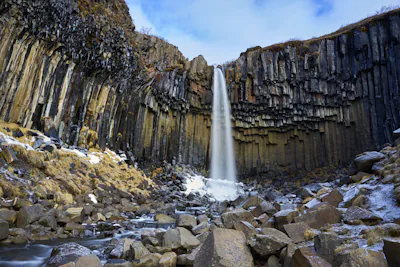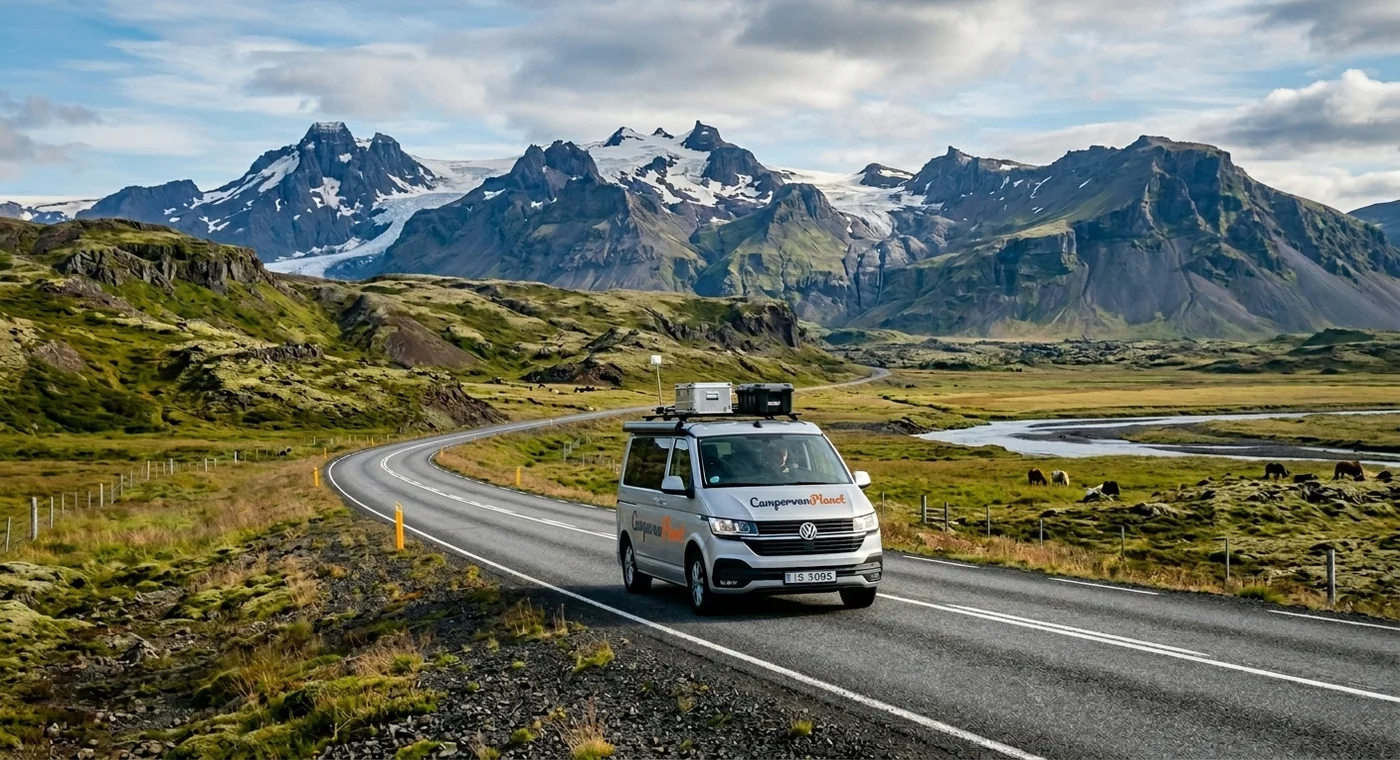
The Ring Road is Iceland's most iconic campervan route, circumnavigating the entire country in a logical loop that showcases virtually every major natural wonder. This comprehensive seven-day itinerary provides a perfect introduction to Iceland, balancing driving time with exploration opportunities. Whether it's your first campervan journey or your hundredth road trip, the Ring Road delivers unmatched natural drama and accessibility.
Ring Road Overview
The Ring Road (Route 1) stretches 1,322 kilometers and encircles Iceland's entire perimeter. The route is generally well-maintained and accessible year-round (with winter requiring additional caution). Starting and ending in Reykjavik, the Ring Road passes through multiple climate zones, geological formations, and regional cultures. A complete circuit can be driven in 7-10 days, though most travelers take longer to explore side roads and attractions.
This seven-day itinerary covers the Ring Road at a comfortable pace, balancing driving with exploration. You'll experience Iceland's south coast waterfalls and glaciers, east coast fishing villages and ice lagoons, north coast dramatic cliffs and geothermal areas, and west coast volcanic landscapes, all connected by one logical route.
Day-by-Day Itinerary
Reykjavik to Vik (240 km, 3.5 hours driving)
Focus: Iconic south coast waterfalls and geothermal features
Begin your Ring Road adventure in Reykjavik, Iceland's capital. Depart early to maximize exploration time. Your first day takes you southeast along Iceland's most visited coast, passing extraordinary attractions in quick succession.
Key Stops:
- Þingvellir National Park (45 km from Reykjavik): UNESCO World Heritage site where continental plates visibly shift. Explore the rift valley, the Silfra fissure, and historic Althing parliament site. Budget 2-3 hours.
- Geysir Geothermal Area (80 km total): The famous Strokkur geyser erupts every 5-10 minutes, shooting boiling water 40 meters skyward. The surrounding thermal area smells of sulfur and creates an otherworldly landscape. Budget 1-2 hours.
- Gullfoss Waterfall (110 km total): One of Iceland's most powerful waterfalls, where glacial meltwater thunders into a canyon system. The sheer power and scale are humbling. Budget 1 hour.
- Seljalandsfoss (220 km): A 60-meter waterfall you can walk behind, a unique experience providing perspectives most waterfalls can't offer. Budget 1 hour.
Camping: Skogar or Vik area campsites are well-equipped and reasonably priced (€25-35). Skogar Campsite offers natural hot pools, a major advantage on cold evenings.
Vik to Höfn (280 km, 4 hours driving)
Focus: Black sand beaches, glaciers, and volcanic landscapes
Day two continues southeast, transitioning to Iceland's dramatic south-central coast. You'll encounter otherworldly black sand beaches, glacier-fed rivers, and the eastern approach to Vatnajökull glacier region.
Key Stops:
- Reynisfjara Beach (Just past Vik): Iceland's most famous black sand beach, with basalt columns and powerful Atlantic waves. The dark sand contrasts dramatically with white foam. Warning: waves are dangerous, never turn your back on the ocean. Budget 1 hour.
- Jökulsárlón Glacier Lagoon (240 km from Vik): Icebergs calve from Breiðamerkurjökull glacier into a turquoise lagoon, then wash ashore on black sand "Diamond Beach." This is Iceland's most Instagram-worthy location and utterly justifies the long drive. Budget 2-3 hours. Consider optional boat tour (€50-80, 1 hour) among icebergs.
- Diamond Beach (Adjacent to Lagoon): Black sand beach scattered with sparkling ice chunks, creating a surreal landscape. Budget 30-45 minutes for separate exploration.
Camping: Höfn town campsites are well-developed with excellent facilities. Höfn Campsite includes hot water and electric hookups (€30-40). The town offers restaurants, supermarkets, and services, good for resupply and showers.
Höfn to Egilsstaðir (220 km, 3 hours driving)
Focus: Glaciers, dramatic fjords, and east coast scenery
Day three transitions from glacier landscapes to rugged east coast fjords. You'll pass more ice caps, encounter fishing villages, and experience Iceland's less-touristed eastern region, an authentic contrast to the crowded south coast.
Key Stops:
- Vestrahorn Mountain (Near Hofn): Dramatic black sand mountain accessible via short drive and 30-minute hike. The mountain rises 454 meters from the coast with striking geological formations. Budget 1-2 hours.
- Berufjörður and Djúpivogur: Charming fishing villages offering authentic east coast culture. Less visited than south coast attractions but equally memorable. Budget 1-2 hours for combined exploration.
Camping: Egilsstaðir is Iceland's largest east coast town. Egilsstaðir Campsite offers full facilities (€25-35). The town provides supermarkets, restaurants, and services. Consider an evening exploring the town's character, it's noticeably less tourist-oriented than south coast towns.
Egilsstaðir to Akureyri (290 km, 4 hours driving)
Focus: North coast drama, waterfalls, and canyons
Day four takes you across Iceland's north coast, featuring dramatic waterfalls, deep fjords, and the approach to Akureyri. This section features some of Iceland's most undervisited attractions, making it particularly rewarding for photographers and nature enthusiasts.
Key Stops:
- Seydisfjordur (Detour worth considering): Charming east coast village with colorful houses, excellent for photographs. The scenic drive from Egilsstaðir includes dramatic hairpin turns through mountains. Budget 1-2 hours extra driving.
- Dettifoss Waterfall (160 km from Egilsstaðir): Europe's most powerful waterfall by water volume. Dettifoss thunders into a deep canyon with extraordinary force. The experience is humbling and photographs don't capture the power. Budget 2-3 hours including drive from Ring Road.
- Selfoss Waterfall (Near Dettifoss): A companion waterfall creating a falls system in dramatic canyon. Budget 30 minutes.
- Lake Myvatn (165 km from Egilsstaðir): A massive geothermal area with pseudo-craters, bubbling mud pots, and steaming vents. The landscape is extraterrestrial. Budget 1-2 hours.
Camping: Akureyri, Iceland's second-largest city, has quality campsites. Akureyri Campsite offers full facilities including thermal pool access (€30-40). The city provides excellent dining, supermarkets, and cultural attractions.
Akureyri to Blönduós (180 km, 2.5 hours driving)
Focus: Arctic coast, geothermal areas, and local culture
Day five continues along Iceland's Arctic north coast toward Blönduós. This section features less dramatic scenery than previous days but offers authentic small-town character and unique geothermal experiences. You're now in Iceland's northernmost regions.
Key Stops:
- Goðafoss Waterfall (Near Akureyri): The "Waterfall of the Gods," where meltwaters cascade 12 meters in an arc, creating an iconic shape visible from the Ring Road. Budget 1 hour.
Camping: Blönduós is a small coastal town with basic but clean campsites (€20-30). The town is quieter than Akureyri but offers essential services and fresh atmosphere.
Blönduós to Snæfellsnes Peninsula (200 km, 3 hours driving + side exploration)
Focus: Volcanic landscapes, lava formations, and coastal drama
Day six takes you westward toward the Snæfellsnes Peninsula, often called "Iceland in miniature" for its concentrated diversity. This day is shorter on Ring Road driving but longer on exploration, making it perfect for deeper discovery.
Key Stops:
- Hraunfossar Waterfall (Between Blönduós and peninsula): A series of waterfalls cascading from moss-covered lava fields into a river. The effect is ethereal. Budget 1-2 hours.
- Snæfellsnes Peninsula Exploration: This deserves full-day exploration. Key attractions include:
- Kirkjufell Mountain: The iconic cone-shaped mountain featured in many photographs. Challenging 4km round-trip hike (1.5-2 hours) provides stunning perspectives.
- Snæfellsjökull Glacier: A glacier-topped volcano famous from Jules Verne's literature. Visible from many points; accessible via hiking trails.
- Lóndrangar Sea Stacks: Dramatic basalt columns rising from the sea, creating striking photographs. Budget 1-2 hours including coastal walk.
- Djúpalónssandur Black Sand Beach: A powerful coastal beach with Viking-era maritime history. Budget 1-2 hours.
Camping: Snæfellsnes Peninsula has several campsites. Grundarfjordur Campsite (€25-35) is well-positioned for exploring the peninsula. Consider staying two nights to fully explore this concentrated area.
Snæfellsnes Peninsula to Reykjavik (170 km, 2.5 hours driving)
Focus: Return journey, final explorations, and reflection
Day seven returns you to Reykjavik, completing the Ring Road loop. The drive is relatively short, allowing time for final exploration or leisurely return. Many travelers use this day to revisit favorite sites or explore Reykjavik more thoroughly.
Key Stops:
- Borgarnes Area (120 km from Reykjavik): Home to Iceland's most powerful hot spring (Deildartunguhver) where 97-degree water flows at 180 liters per second. Budget 1-2 hours.
- Reykjavik City Exploration: Use remaining time to explore Iceland's charming capital. Highlights include the iconic Hallgrímskirkja church, the colorful Old Harbor area, the Perlan building with its rotating restaurant and natural history exhibits, and numerous museums. Budget 3-4 hours minimum.
Accommodation: Return to your campervan parking spot in Reykjavik or arrange accommodation for your final night. Many campsites operate year-round.
Practical Planning Considerations
Timing and Pacing
This seven-day itinerary requires driving 1,300+ kilometers while maintaining time for exploration. Days are long (3-4 hours driving plus exploration), so start early (6-7 AM) to maximize daylight and avoid driving in darkness. Summer provides endless daylight; spring/fall offers long days; winter requires more planning for limited daylight.
Weather and Road Conditions
Weather in Iceland changes rapidly. Pack layers, you'll experience sun, rain, wind, and sometimes snow even in summer. Check road condition websites (Road.is) daily. F-roads (mountain passes) may be closed in winter or early spring; stick to the Ring Road in off-season unless you have four-wheel drive and experience.
Fuel Planning
Large stretches of the Ring Road have limited fuel stations. In Egilsstaðir and north coast sections particularly, plan fuel stops strategically. Most campervan fuel tanks hold 50-80 liters, sufficient for several hundred kilometers. Fuel costs approximately €1.50-1.70/liter in Iceland.
Supermarket Provisioning
Stock up in larger towns (Reykjavik, Akureyri, Egilsstaðir, Höfn). Small settlements have limited selections and higher prices. Fresh produce, dairy, and meat cannot be imported into Iceland, purchase locally. Bring staples you can't find, but expect to shop primarily in Iceland.
Book campsites in advance during peak season (June-August). Download offline maps, cell coverage is good in populated areas but absent on remote sections. Carry spare tire, basic tools, and emergency supplies. Never approach waterfalls or cliffs without assessing safety, Iceland's natural forces are powerful. Take your time; rushing creates stress and misses magic.
Beyond the Seven Days
Many travelers extend their Ring Road journey to 10-14 days, allowing deeper exploration of secondary attractions. Adding Snæfellsnes Peninsula (2-3 days), Highlands F-road exploration, or multiple-day stays in particularly captivating locations enriches the experience. The Ring Road is not a race, it's an invitation to witness Earth's most dramatic forces at work.
This seven-day itinerary provides an excellent Ring Road introduction, covering Iceland's most iconic attractions while maintaining reasonable daily driving. Modify it based on your interests: glacier enthusiasts might spend extra time near Vatnajökull; waterfall lovers might linger on the south coast; photographers might extend the Snæfellsnes Peninsula section. The Ring Road's flexibility means your adventure will be uniquely yours.