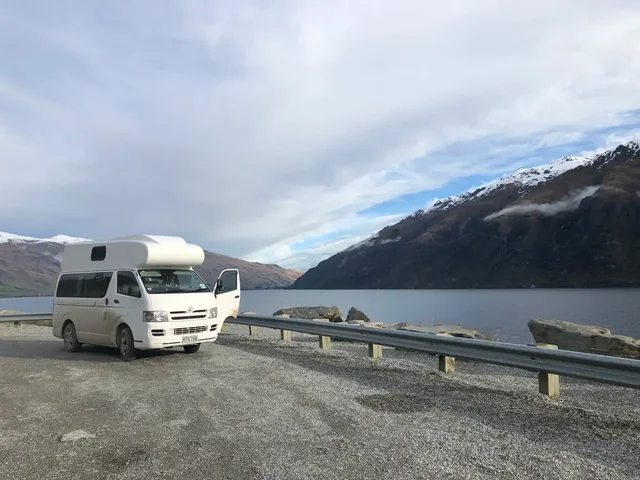
Cheapest offer we found
From NZ$37/day
Lucky Rodeo (Automatic) from Lucky Rentals, picked up in May 2027.
 English
Compare 23 rental companies.
Up to 35% off + US$500 with code BLACKCode BLACK is live: up to US$500 off
Ends in
First trip to NZ? US$50 off·NEW50
 Auckland
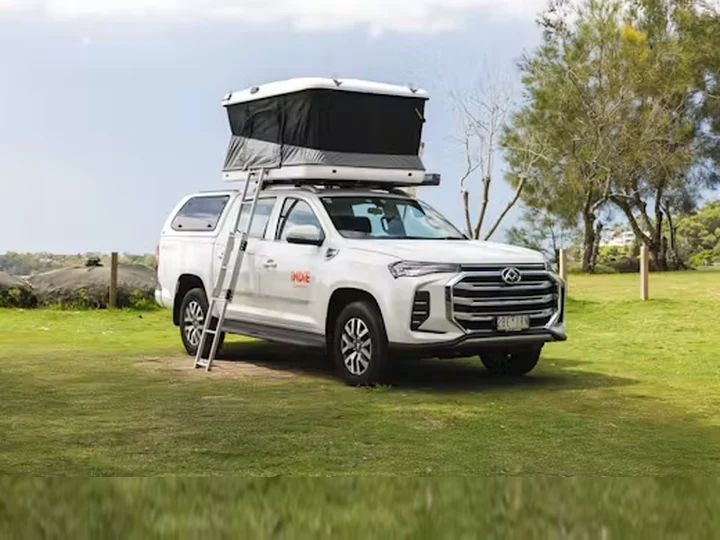
High clearance 4WD campers for gravel roads, back country tracks and the high country. See what the rental contract actually allows before you plan.
See 4WD campers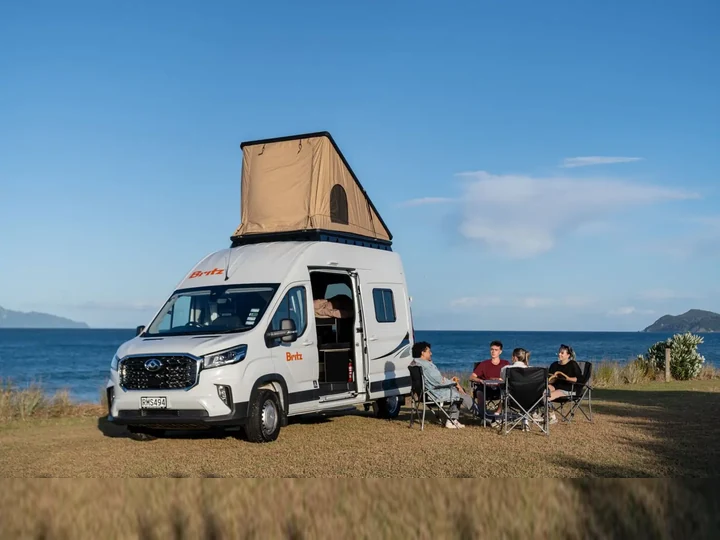
Cars and 4x4s with the tent already fitted on the roof. Sleep above the vehicle, drive light by day, and pick up in Auckland, Christchurch or Queenstown.
See rooftop tents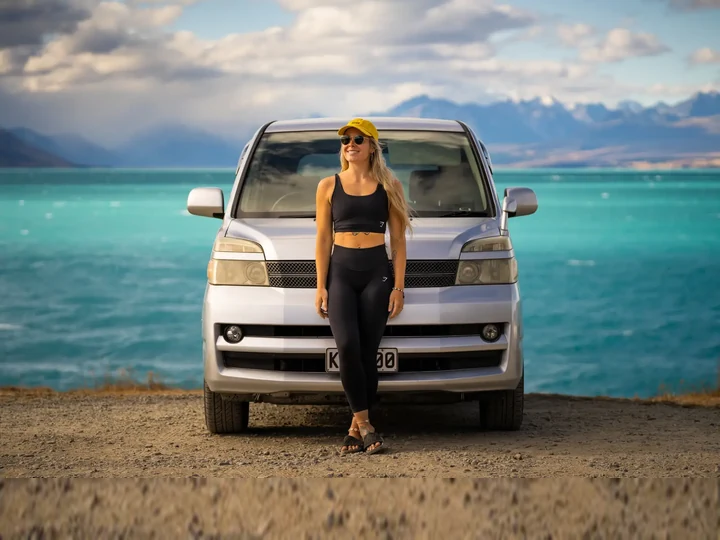
Side by side comparison of the rental companies operating in New Zealand: fleets, deposits, insurance and the small print, so you can pick with your eyes open.
Compare companiesBudget, season, people, island, days and pick-up: the six things that decide which campervan fits your trip. Each answer uses the CampervanPlanet price study of 3 November 2026 and the vehicles on this page. Pick an option and the card builds your trip.
The typical campervan costs NZ$163 a day from May to September and NZ$367 from December to February. March is still close to summer at NZ$399 a day. The cheapest offer starts at NZ$37 a day, in May.
December to February is the summer peak, so book 3 to 6 months ahead; May to September is the cheapest time. Weather and prices season by season are in Best Time to Hire a Campervan in New Zealand.
A campervan for 2 starts at NZ$37 a day; campervans for 3 to 5 from NZ$40; motorhomes for 2 to 4 from NZ$91; large motorhomes for 5 or 6 from NZ$142. Details are in Types of Campervans.
A North Island trip from Auckland to Wellington takes 10 to 14 days and about 1,100 km, via Rotorua, Tongariro and Napier. A South Island trip from Christchurch to Queenstown, via Milford Sound, covers about 1,900 km in 10 to 14 days and is ideal for a first trip. To see both islands, you cross on the ferry between Wellington and Picton. Rental companies usually restrict standard campervans on remote gravel roads, which need a 4WD camper.
Five days fits one region, such as the Milford Sound Return from Queenstown. One to two weeks covers one island. If you are travelling from outside New Zealand or Australia, our CEO Alberto Porro recommends at least three weeks to really enjoy the country.
You can collect your campervan at 9 locations: Auckland, Christchurch, Queenstown, Wellington, Blenheim, Picton, Nelson, Dunedin and Greymouth. Auckland is the gateway to the North Island, Christchurch to the South Island, and Queenstown is the closest to Milford Sound.
You can collect your van at 9 locations across New Zealand: Auckland, Christchurch, Queenstown, Wellington, Blenheim, Picton and 3 more.
NZ's largest city, gateway to Northland
Gateway to the South Island
Adventure capital, near Milford Sound
Capital city, start of the South Island ferry
Marlborough Airport, in the wine region near the Picton ferry
Ferry terminal connecting North and South Islands
Sunniest city, gateway to Abel Tasman & Marlborough
Otago wildlife capital, peninsula, Catlins & Central Otago
West Coast town, start of the road to Pancake Rocks and the glaciers
Video
In our October 2026 search, a campervan in New Zealand typically cost NZ$161 a day from May to September and NZ$400 a day from December to February, for 2 people, before excess cover and extras.
What’s in the video
In this 2:38 video we walk through the price per day, per week and for two weeks in each season, the cheapest and most expensive month, and three tips before you book, all from 2,221 live prices on 23 October 2026. The other figures on this page are from our price study of 3 November 2026.
Planning a campervan trip around New Zealand? Here is what it really costs in 2026 and 2027, with real prices from our own search.
We checked 2,221 live prices from 23 rental companies. All prices are for two people, before excess cover and extras.
A campervan in New Zealand typically costs 161 New Zealand dollars a day in winter, from May to September. In spring, October and November, it is 285. In autumn, March and April, 302. And in summer, from December to February, about 400 dollars a day.
For a typical week of seven nights, that is 1,130 dollars in winter, 1,993 in spring, 2,114 in autumn, and 2,803 in summer.
Month by month, June is the cheapest month, at 146 dollars a day. February is the most expensive, at 456. The cheapest offer we found was just 40 dollars a day, in May.
Two weeks cost about 2,035 dollars in winter, 3,277 in spring, 2,965 in autumn, and 4,787 in summer. In most seasons, two weeks work out cheaper per day than a single week.
Three tips before you book. One: budget for zero excess cover, 30 to 97 dollars a day. With basic cover, a bond of 1,000 to 7,500 dollars is held on your card. Two: one-way trips cost more. Auckland to Christchurch averages 325 dollars a day, against 249 for a round trip. Three: if your dates are flexible, travel between May and September, when a day costs well under half the summer price.
Every month, every company and every vehicle is in our full price study at campervanplanet.com. Thanks for watching, and enjoy the road.
May to September is the cheapest time to hire a campervan in New Zealand, at a typical NZ$163 a day.
March is still priced close to summer (NZ$399 a day) and prices fall from April (NZ$264).
Cheapest offer we found
From NZ$37/day
Lucky Rodeo (Automatic) from Lucky Rentals, picked up in May 2027.
Median daily price by season, 7-night rentals
Campervan hire in New Zealand typically costs NZ$163 a day from May to September and NZ$367 a day from December to February for a 7-night rental. June is the cheapest month (NZ$142 a day) and February the most expensive (NZ$450).

“If you're travelling from outside New Zealand or Australia, I recommend a trip of at least three weeks to really enjoy the essence of the country.”
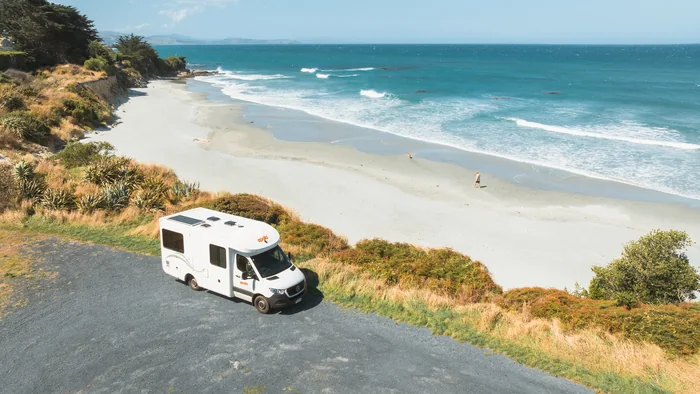
Warmest weather with long sunny days and all attractions fully open. Perfect for hiking, water activities, and outdoor adventures. Expect crowds, fully booked accommodation, and premium prices.
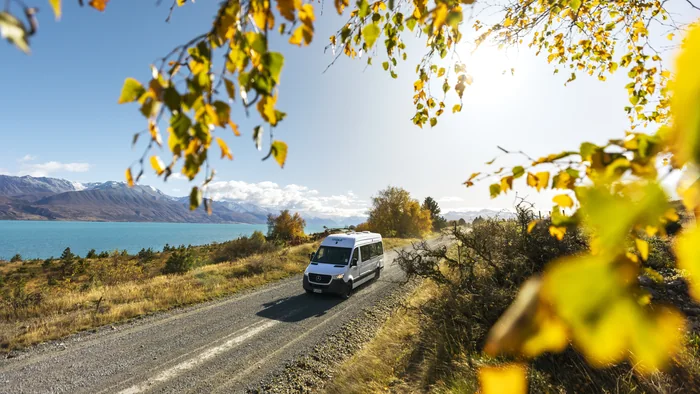
Mild weather and autumn colours. March is still busy and priced close to summer; from April there are fewer visitors and prices drop.
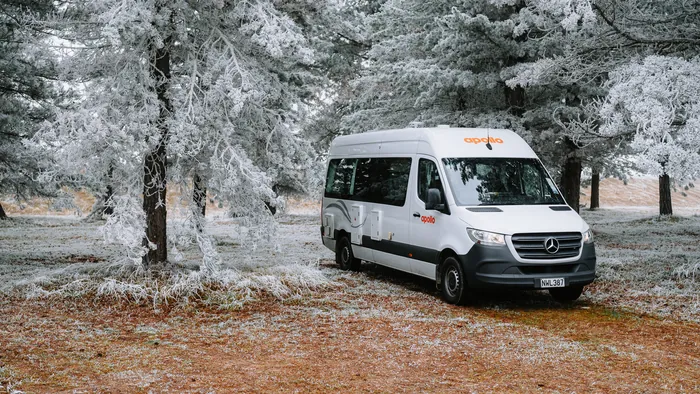
Cold weather brings stunning clear skies and excellent skiing in the central plateau. Some mountain passes occasionally close, but main roads remain accessible. Lowest prices of the year and minimal tourist crowds.
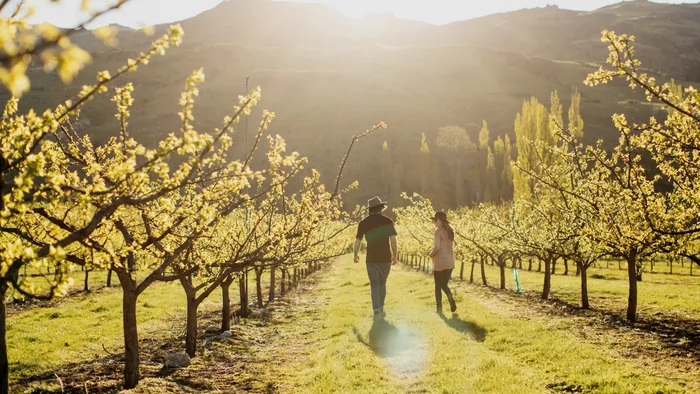
Spring brings wildflowers, green pastures with lambing season, and mild weather. Good availability and value as tourist season begins ramping up. All attractions open and roads excellent. Growing weather for outdoor adventures.
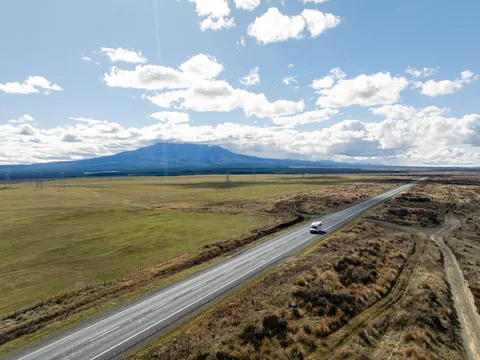
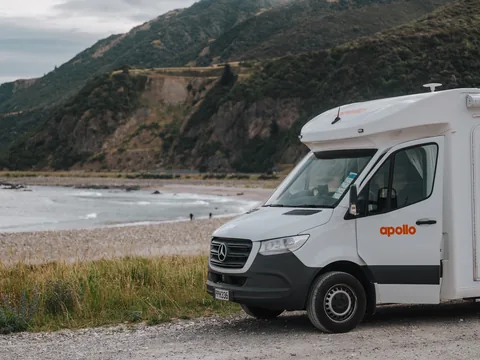
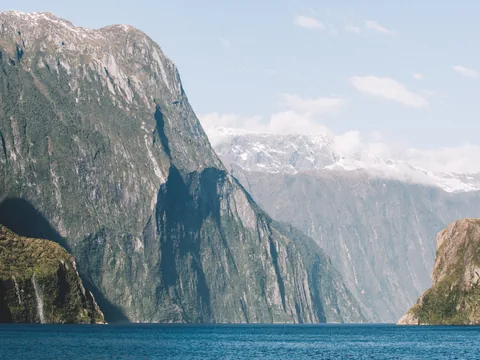
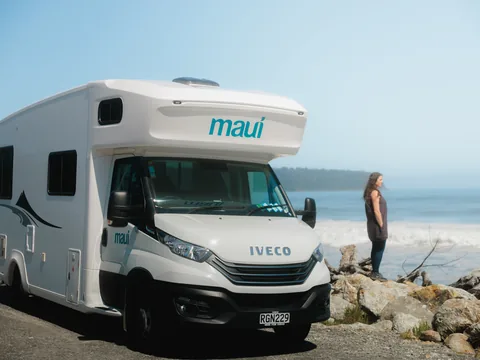
Photos courtesy of thl, taken in New Zealand.
There are 4 itineraries with route maps, 3 to 14 days: North Island Road Trip, South Island Explorer, Milford Sound Return and West Coast Road Trip.
 North Island Road Trip10–14 days · 1,100 km · Easy / 2WD OKNorth Island · Best: Dec, Feb
 South Island Explorer10–14 days · 1,900 km · Easy / 2WD OKSouth Island · Best: Nov, Mar
 Milford Sound Return3–5 days · 600 km · Easy / 2WD OKSouth Island · Best: Nov, Mar
 West Coast Road Trip5–7 days · 550 km · Moderate / 2WD OKSouth Island · Best: Nov, Mar
North Island
10–14 days · 1,100 km · Easy / 2WD OK
From Auckland to Wellington, covering NZ's North Island highlights: volcanic geysers in Rotorua, the Tongariro Crossing, Napier's Art Deco architecture, and natural hot springs. A first route on the North Island.
Fuel stops every 50–80 km.
One-way, drop-off in Wellington. One-way rentals cost more per day.
South Island
10–14 days · 1,900 km · Easy / 2WD OK
A South Island route from Christchurch to Queenstown, with whale watching at Kaikoura, the beaches of Abel Tasman, Franz Josef Glacier and Milford Sound. For nature lovers and first-time visitors.
South Island
3–5 days · 600 km · Easy / 2WD OK
A route for photographers from Queenstown: drive to Milford Sound and back via Te Anau, Mirror Lakes and the Homer Tunnel, where waterfalls fall into the fiord. A short trip.
South Island
5–7 days · 550 km · Moderate / 2WD OK
For adventurous travellers on the South Island's West Coast: Pancake Rocks, Franz Josef and Fox Glaciers, Haast Pass and the Blue Pools. A short West Coast trip.
Fur seals year-round. Gravel side roads: check your rental terms.
Four sizes, from campervans for 2 to motorhomes for 6, starting at NZ$37 a day. In our price study 102 of the 111 vehicles are automatic.
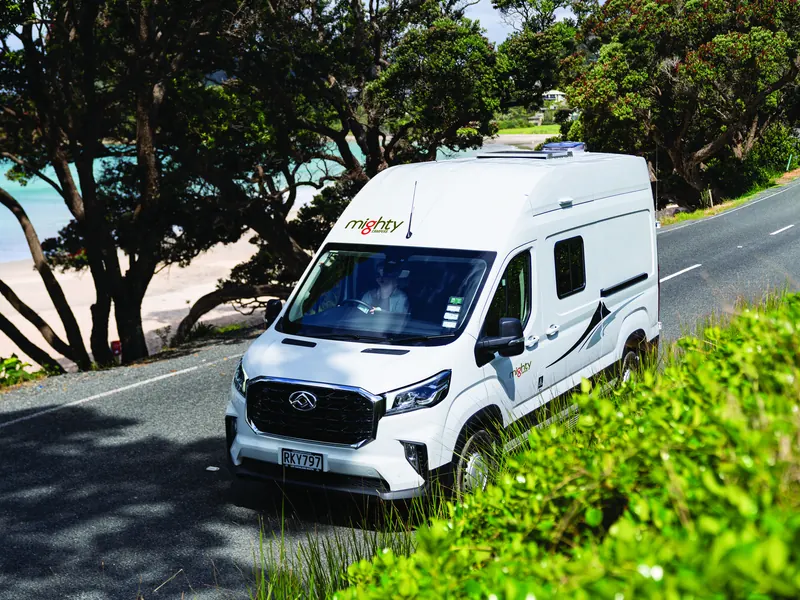 Sleeps 2
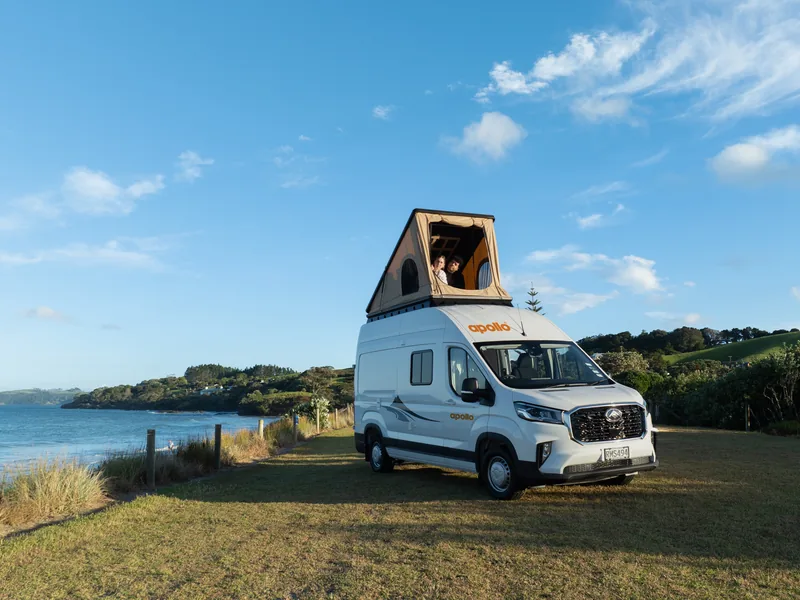 Sleeps 3 to 5
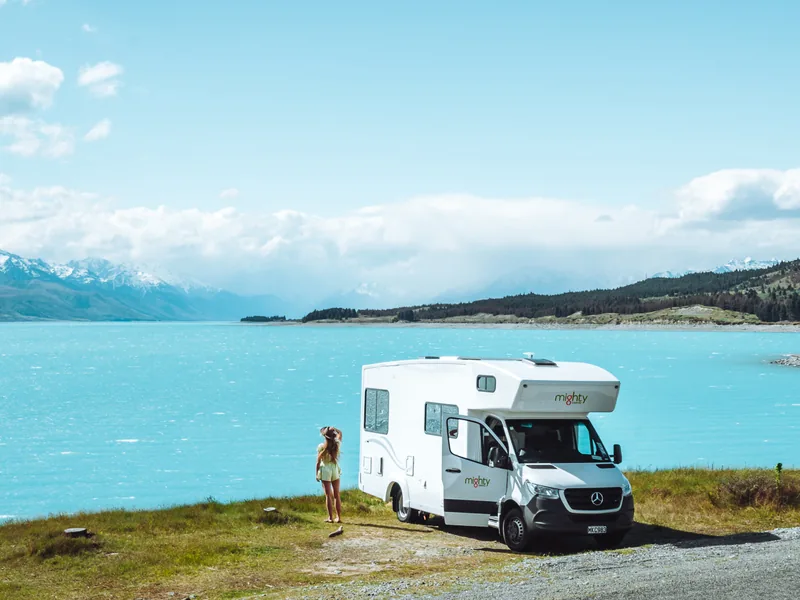 Sleeps 2 to 4
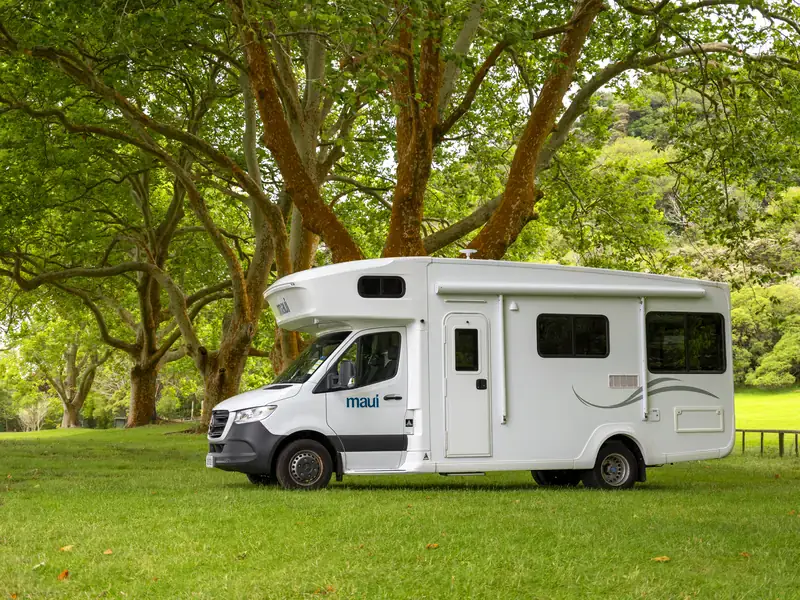 Sleeps 5 to 6
Cheapest 7-night rental for 2 in our price study of 3 November 2026.

You book on CampervanPlanet, but you rent from the company named in each offer. Your rental contract is with that company, which hands over the vehicle and applies its own terms.
Many offers take a deposit online, often 10 to 20% of the price, and the rest at pick-up; others are paid in full online. At pick-up the company holds a refundable security deposit on the main driver's card, with the amount shown in the offer.
Each offer lists what is included, such as insurance, mileage and equipment, and anything paid locally, for example a one-way fee or optional extras.
Our team answers by email and phone in your language, before and during your trip.
Prices and companies on this page are the ones you can book on CampervanPlanet. We earn a commission from the rental companies on bookings made through us. Companies we don't sell are not included, and prices can differ from booking direct.
Questions before you book? Contact us
Every offer names the rental company. CampervanPlanet compares the companies, handles the booking and payment, and supports you in your language.
The payment plan is shown before you pay and again on your voucher.
Prices on this page come from the CampervanPlanet price study of 3 November 2026; the search shows live prices for your dates.
If you cannot find what you need, send a quote request and we ask the rental companies for you.
Find answers to common questions about renting a campervan in New Zealand.

Ready to Explore New Zealand by Campervan?
Check live prices from the rental companies we sell in New Zealand for your dates.
Search Campervans NowThe figures on this page are from our price study of 3 November 2026.
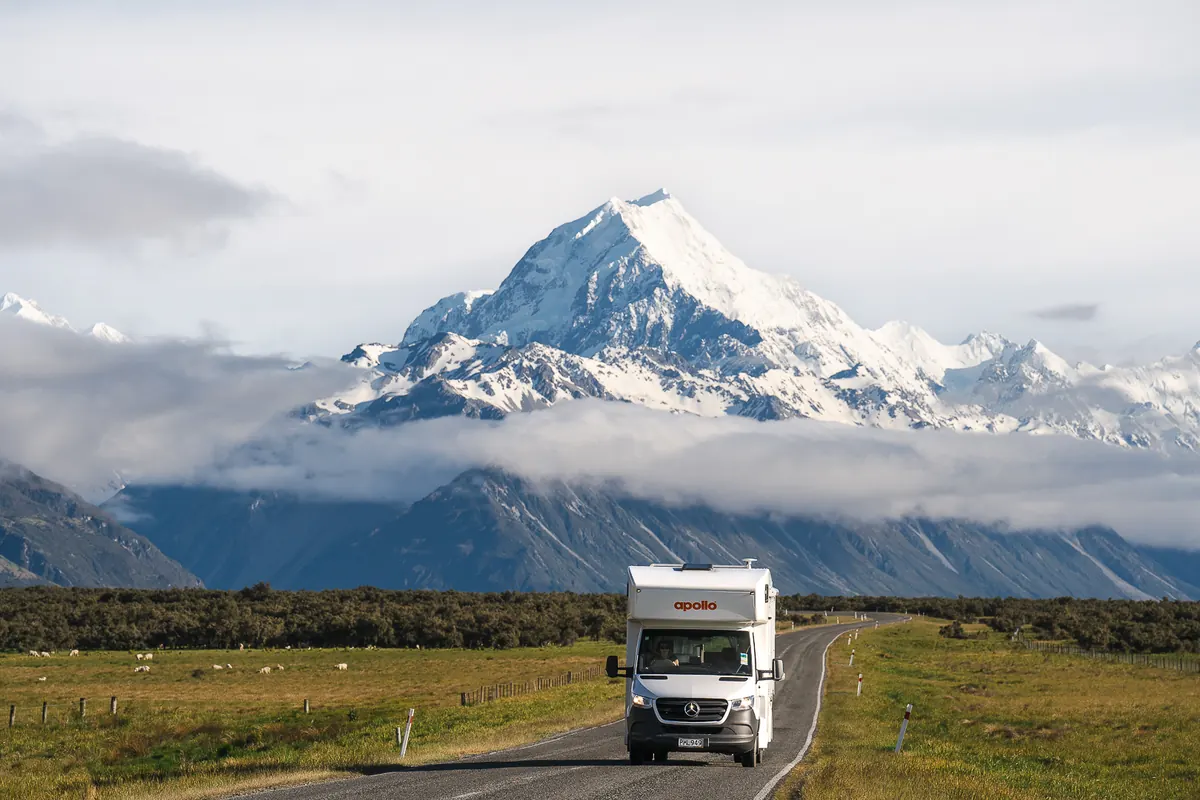
Mount Cook Road, South Island
Beyond New Zealand
In New Zealand a campervan or motorhome takes you through very different landscapes. Whether you're driving the scenic highways or venturing into remote national parks, here's what you need to know to plan your trip.
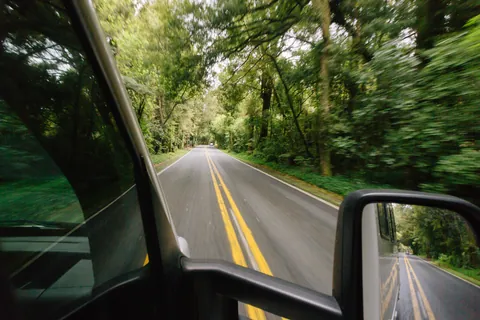
Driving Rules
New Zealand drives on the left-hand side of the road, the same as the UK, Australia, and Japan.
If you're arriving from Europe or North America, take extra care at roundabouts and intersections until you adjust. Speed limits are enforced by police and fixed speed cameras, particularly in towns and school zones. Fines start at NZ$30 and can go much higher for serious offences. (Source: NZ Police)
Here are the key traffic regulations to keep in mind when renting a campervan and driving in New Zealand:
Many of New Zealand's most scenic routes are unpaved gravel roads, particularly in the South Island's backcountry, the Catlins, and rural North Island regions. Rules on gravel roads differ between rental companies, from sealed roads only to well-formed gravel roads; see the FAQ above and your company's terms.
Gravel roads require a different driving approach: reduce speed to 60-80 km/h, increase following distance from other vehicles (flying gravel can damage windshields), and watch for loose surfaces especially at corners and on hills. Avoid braking hard on gravel as it reduces control, ease to a stop instead. Check your rental agreement carefully for permitted road types, as insurance may be void if you venture beyond approved routes.
Pro tip: Check road conditions on the NZTA Journey Planner before your trip. For emergency assistance, call 111. Always carry water, a basic tool kit, and a spare tire, especially when venturing into remote areas.
New Zealand's weather is changeable and can shift rapidly, especially in mountainous regions and along the coasts. Summer roads are generally well-maintained, but winter (June-August) brings snow to alpine passes, particularly in the South Island. Even in summer, mountain roads can be closed due to snow or weather hazards.
Petrol and diesel are widely available at service stations throughout New Zealand, with fuel stops never more than 150 km apart on main routes. In very remote areas like the West Coast or Central Plateau, fuel stations can be further apart, so it's wise to refuel whenever the tank drops below half-full.
Most service stations are self-service, accepting credit and debit cards with chip and PIN. Common fuel chains include Z, BP, Caltex, and Gull. Fuel prices vary by location and season. Electric and hybrid campervans are becoming more available; charging stations are found at many campgrounds, visitor centers, and urban areas. Use the ChargeNet app to locate charging points on your route.
Pro tip: Fuel is cheaper at larger chains in urban areas. Small rural stations may charge premium prices. Download the Gaspy app to compare fuel prices across locations. Always carry cash as some very remote stations may not accept cards.
New Zealand has very few road tolls: the Northern Gateway north of Auckland, plus the Tauranga Eastern Link and Takitimu Drive near Tauranga. These are paid online through NZTA, and the rest of the state highway and regional road network is free to use. Parking in towns and cities is metered and managed by local councils; fees typically range from NZ$1-3 per hour. Parking violations result in fines of NZ$60-120.
In national parks and natural attractions (like Milford Sound, Tongariro National Park, and Mount Cook), parking is usually free or charges a small fee (NZ$5-20). Always park in designated areas, unauthorized parking on roadsides or in protected natural areas is illegal and can result in hefty fines, as New Zealand's unique ecosystems are strictly protected.
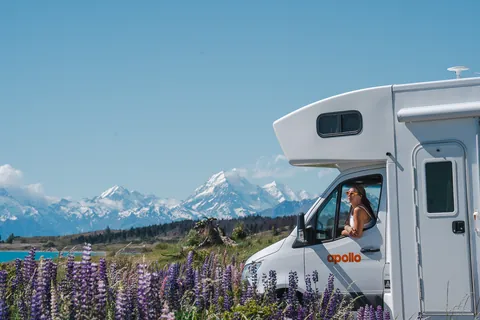
Camping
New Zealand has hundreds of managed campgrounds and freedom camping areas across both islands.
Whether you're exploring Fiordland, the West Coast, or the North Island's geothermal regions, you'll find places to stay. Most commercial campsites operate year-round, and from December to February advance booking is essential.
Facilities vary by location and price. Well-equipped commercial campgrounds (like TopTen Parks) offer hot showers, flush toilets, electricity hookups, WiFi, laundry, and communal kitchens. Basic DOC campgrounds offer minimal facilities, sometimes just toilets and water. Freedom camping areas allow certified self-contained vehicles to park for free or low cost, though facilities are limited. Most campgrounds have designated spaces for campervans with flat, gravel or sealed surfaces.
Camping costs vary by location and facilities, and many sites charge per person rather than per vehicle, so check before booking. DOC campsite fees are listed on the DOC website (doc.govt.nz). Some sites offer weekly or monthly passes.
Book in advance from December to February, as popular campgrounds fill quickly. Use the DOC website (doc.govt.nz) and individual campground websites to reserve sites. From May to September there is more flexibility and shorter lead times. Many campsites accept payment on arrival, but popular locations increasingly require pre-payment by credit card.
Pro tip: Download the CampSites NZ app to find campgrounds, check availability, and read reviews from other travellers. Create a bookmark folder of your planned daily stops to ensure you have accommodation locked in during summer travel.
New Zealand offers diverse camping options to suit all budgets and preferences:
New Zealand permits freedom camping in designated areas for certified self-contained vehicles (vehicles with a permanently fixed toilet plus compliant fresh water and wastewater systems). Certification alone does not give you the right to camp anywhere: council bylaws and the status of the land decide where freedom camping is allowed. The key regulations every campervan traveller must understand:
Pro tip: Use the CamperMate app to find freedom camping areas and check local regulations. Read reviews from other travellers to find best-value sites. Always carry spare water, remote sites may not have facilities.
These standout campsites offer exceptional value, locations, or facilities:
All commercial campgrounds and DOC sites provide waste water disposal (grey water dump) and chemical toilet emptying facilities. It is illegal and environmentally destructive to dump waste anywhere else. New Zealand's waterways and native ecosystems are protected by strict environmental laws, and breaking them can lead to fines.
Recycle wherever possible. Most towns have recycling stations (separate for glass, plastic, paper, and metals). Campsites often have recycling services, ask at arrival. Never leave rubbish behind, pack it out or find appropriate bins in towns. Leave every site exactly as you found it.
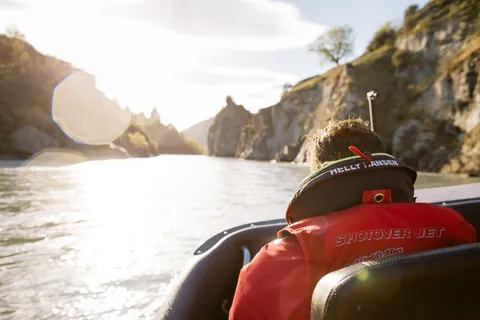
Activities
New Zealand is known for adventure sports and outdoor activities in its natural landscapes.
From hiking active volcanoes to bungee jumping and jet boating, the country offers adventures for every adrenaline level. With a campervan, you can base yourself near activity starting points, save on accommodation, and access trailheads early before crowds arrive.
Most outdoor activities can be booked online through operators like Viator, GetYourGuide, or local visitor information centres. Booking 1–2 weeks ahead is recommended for popular activities like Milford Sound and adventure sports in peak summer season. Many tours include hotel pickup, but campervan travellers can arrange direct pickup at nearby sites for the same cost.
New Zealand's Great Walks are nine multi-day tramping trails. The most famous is the Milford Track (South Island, 54km, 4 days), walk from Glade House to Milford Sound. The Routeburn Track (3 days) crosses the Darran Mountains with alpine views. The Tongariro Northern Circuit (North Island, 4 days) loops through volcanic terrain with active geothermal features.
Popular day hikes: Roys Peak (Wanaka, 16km), Ben Lomond (Queenstown, 14km), and the Tongariro Alpine Crossing (17km, can be done in one day). Book Great Walk tramps 3–6 months ahead via the DOC website, accommodation in mountain huts fills quickly in summer (December-February).
Pro tip: All tramping requires sturdy boots, layered clothing, and rain gear. New Zealand weather changes rapidly, even summer walks can encounter snow on alpine sections. Carry the 1:50,000 DOC map and download offline maps on your phone for remote areas.
Queenstown (South Island) is the adventure capital of New Zealand. Activities include bungee jumping, jet boating, whitewater rafting, paragliding, and skydiving. The Kawarau Bridge Bungy (43m jump) is New Zealand's original bungy with suspension bridge views. Shotover Jet is a heart-pounding jet boat ride through tight river canyons. Prices range from NZ$50-300 depending on activity.
Rotorua (North Island) specializes in geothermal activities: zip-lining through redwood forests, geothermal mudding, and hot spring visits. Lake Taupo offers skydiving with volcano views. Most adventure companies pick up from central locations with budget accommodation, so campervan travellers can often join tours at the activity location directly.
Milford Sound is New Zealand's most visited natural attraction, a day cruise through a UNESCO World Heritage fjord with towering cliffs, waterfalls, and rainforest. Boats depart from Milford Sound Visitor Centre (2 hours from Te Anau). Cruises run year-round, with 2–3 departures daily in summer. Cost: NZ$75-150 per person.
Doubtful Sound is a more remote and peaceful alternative requiring a coach journey from Te Anau and overnight cruise options. Scenic cruises in Marlborough Sounds (South Island) explore waterways with wildlife spotting opportunities. All cruises are campervan-friendly with ample parking.
New Zealand's unique wildlife includes kiwi birds, penguins, seals, and dolphins. Kiwi bird viewing is available at sanctuaries and predator-free reserves around the country. Yellow-eyed penguin (hoiho) viewing occurs at Oamaru (South Island) at sunset when penguins return from the sea, viewing is free from designated public viewing areas.
The Rotorua area features geothermal wonders: Waiotapu thermal park with colourful hot springs and mud pools, Lady Knox Geyser erupting daily at 10:15 AM, and the Orakei Korako "hidden valley" with geothermal features. Hot Water Beach on the Coromandel Peninsula (North Island) is a unique experience, dig a hot pool in the sand at low tide.
Soaking in natural hot pools is popular nationwide: Tekapo Hot Pools, Hanmer Springs, and various DOC sites offer free or low-cost natural thermal soaking. Many campgrounds have natural hot pools nearby, ask locals for recommendations.
Pro tip: Book major activities (Milford Sound, adventure sports) online before peak season. Day hikes don't require permits but can get crowded, start early (7–8 AM) to avoid parking and track congestion at popular locations like Roys Peak and Tongariro Crossing.
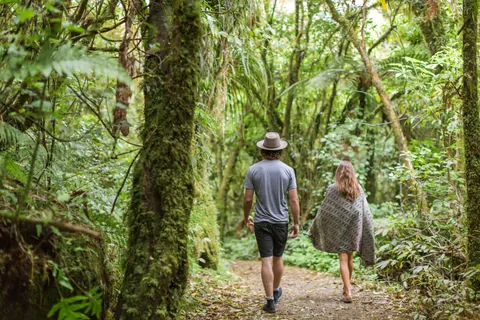
Travel Tips
Driving a campervan around New Zealand is a rewarding way to see the country.
The main highways are well-maintained and accessible to all campervan types, but the country's diverse terrain, mountains, coastlines, fiords, and wine regions, requires careful planning. One island takes 10 to 14 days at a comfortable pace, and both islands at least three weeks. Shorter trips focusing on specific regions (Fiordland, Bay of Islands, Queenstown area) work equally well.
The ideal time for a campervan trip depends on your weather tolerance and activity preferences:
New Zealand's weather is changeable, especially in mountainous regions and exposed coastal areas. The saying "four seasons in one day" is often accurate, particularly in alpine regions. Layering is essential:
Pro tip: The major cities (Auckland, Wellington, Christchurch, Dunedin) have excellent outdoor retailers like Kathmandu and Macpac if you need to buy or replace gear. Small provincial towns have limited shopping, stock up in major cities before heading to remote areas.
New Zealand uses the New Zealand dollar (NZ$). Credit and debit cards are accepted almost everywhere, including small towns, DOC campsites, and petrol stations. Cash is still useful at some farmers' markets and small cafés. ATMs are widespread in towns but scarce in remote areas.
New Zealand offers good value for camping travellers. Here's a realistic daily budget breakdown for a couple travelling by campervan:
Mobile network coverage is excellent in towns and along main highways, but limited in remote areas like the West Coast, Central Plateau, and rural South Island. The major providers are Spark, One NZ, and 2degrees. Spark generally has the most extensive rural coverage.
New Zealand is a safe country with low violent crime. However, the natural environment presents genuine risks that require respect:
Pro tip: Save money at supermarkets like Woolworths and New World. Buy fresh produce from local farmers markets and wine at vineyard cellar doors. Many regional i-SITE visitor centres can suggest free activities and scenic drives. The Frommer's New Zealand guidebook and AA New Zealand have excellent campground reviews.

Events & Festivals
New Zealand's cultural calendar is full of exciting events throughout the year.
From outdoor festivals to cultural celebrations and sports events, timing your campervan trip to coincide with one of these occasions is a wonderful way to experience Kiwi culture and community spirit.
Consider incorporating one of these annual events into your New Zealand campervan itinerary:
Understanding Kiwi cultural norms will enhance your campervan experience significantly. New Zealand has a uniquely relaxed, egalitarian culture with strong outdoor heritage and Maori cultural traditions woven throughout national life.
The "number 8 wire" mentality defines Kiwi culture, an attitude of resourcefulness and "make-do" creativity that's admired nationwide. Campervanning itself embodies this spirit of adventure and self-reliance. Kiwis value straight talk, authenticity, and don't take themselves too seriously. Environmental respect is core to Kiwi identity, "leave no trace" and respect for nature are deeply ingrained.
New Zealand's food culture reflects its agricultural heritage and multicultural population. While cooking in your campervan, enjoy these iconic Kiwi foods when eating out:
Pro tip: Visit farmers markets in major cities (the Saturday farmers' markets found in most towns and cities) for fresh local produce, artisan foods, and craft products. Wineries often have lunch cafés where you can combine wine tasting with casual meals. Many regional towns have excellent cafés and bakeries despite their small size, locals will enthusiastically recommend their favourite spots.

Explore the best places to rent a campervan, motorhome, or RV worldwide